Song Meaning
The lyrics paint a scene of ethereal connection and a desperate plea for reassurance. The repeated "blink twice" acts as a fragile signal, a lifeline across an unknown void. The narrator perceives the other person's eyes as "full of heaven," immediately establishing a spiritual or idealized quality to their presence, yet this is juxtaposed with the chilling image of their "ghost is white as heaven," suggesting a fading or spectral existence. This creates an immediate tension between the divine and the ephemeral.
The central conflict seems to revolve around a profound sense of disorientation and loss, both personal and perhaps collective. The narrator questions if their voice, dreams, and even the cosmic order ("stars are falling out of time") are perceived by the other. This existential dread is amplified by the imagery of "forgotten people's lives" and the act of "wipe[ing] this drive," suggesting a deliberate erasure of history or memory. The journey described is one of aimless wandering, "bummed a ride on dead-end streets," culminating in a profound spiritual misdirection: "lost our way on the road to Mecca."
The most striking craft element is the stark contrast between the celestial and the mundane, the spiritual and the physical. The "heaven" of the eyes and ghost is immediately undercut by the gritty reality of "blurred lines and waves of heat," "tarmac sheets," and "dead-end streets." The quest for a spiritual destination, the "road to Mecca," is presented not as a path of devotion but as a route where they "lost our way," highlighting a profound disillusionment. The final, single word, "Free," hangs ambiguously, offering a potential release or a bleak finality after the overwhelming sense of being lost.
This piece is effective because it taps into a deep-seated anxiety about connection and meaning in a chaotic world. The delicate "blink twice" is a powerful, understated plea for acknowledgment, grounding the grander cosmic and spiritual questions in a tangible, human gesture. The juxtaposition of heavenly imagery with the harshness of reality creates a palpable sense of unease, making the final "Free" feel less like liberation and more like a surrender to the void.
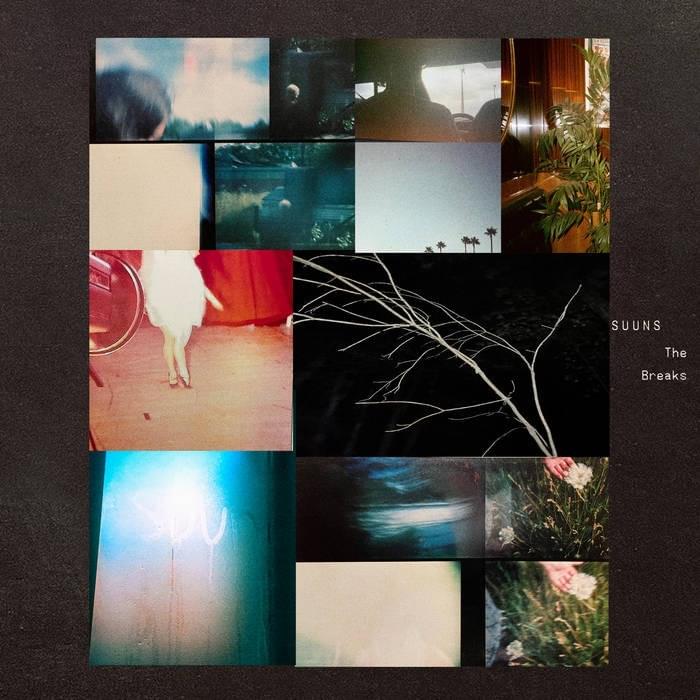
 View Artist