Song Meaning
The lyrics paint a picture of someone who projects an image of constant joy and social magnetism. They're the "soul of the party," the "master of fun," always passing smiles and never seeming down. This outward persona suggests a life lived in perpetual motion, keeping the good times rolling until the very last guest departs. It’s a carefully constructed facade designed to mask a deeper reality.
Beneath this vibrant exterior, however, lies a profound sense of isolation. The narrator acknowledges this contrast directly, admitting, "Always the lonely one, just somebody's fool." This isn't a fleeting sadness but a persistent state, where moments of shared pleasure are overshadowed by "a lifetime of pain." The repeated assertion of being "somebody's fool" underscores a feeling of being used or taken for granted, despite the outward appearance of carefree exuberance.
The true brilliance of the writing lies in its stark juxtaposition of public performance and private suffering. The narrator is described as "daughter of life, as sweet as can be" and a "crazy dancer, so young looking and free," images that amplify the disconnect from the internal "long hard rain." This deliberate contrast highlights the emotional labor involved in maintaining such a cheerful front, suggesting that the smiles passed around are a shield against an overwhelming internal loneliness.
Ultimately, these lyrics resonate because they capture the universal struggle of masking inner turmoil with outward positivity. The repeated refrain of being "somebody's fool" isn't just a statement of victimhood; it's a poignant acknowledgment of the cost of performing happiness when the heart is heavy. The writing forces us to question the authenticity of cheerful appearances and recognize the silent battles many fight behind a smile.
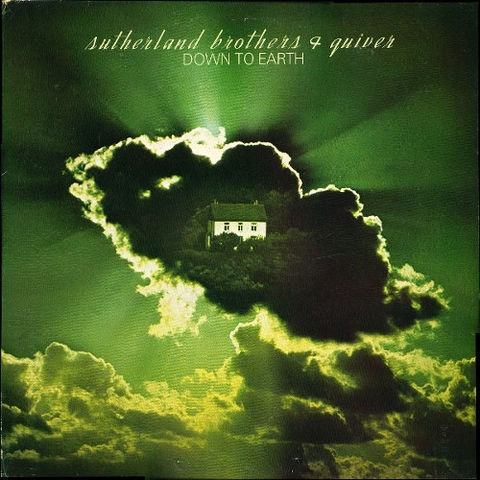
 View Artist