Song Meaning
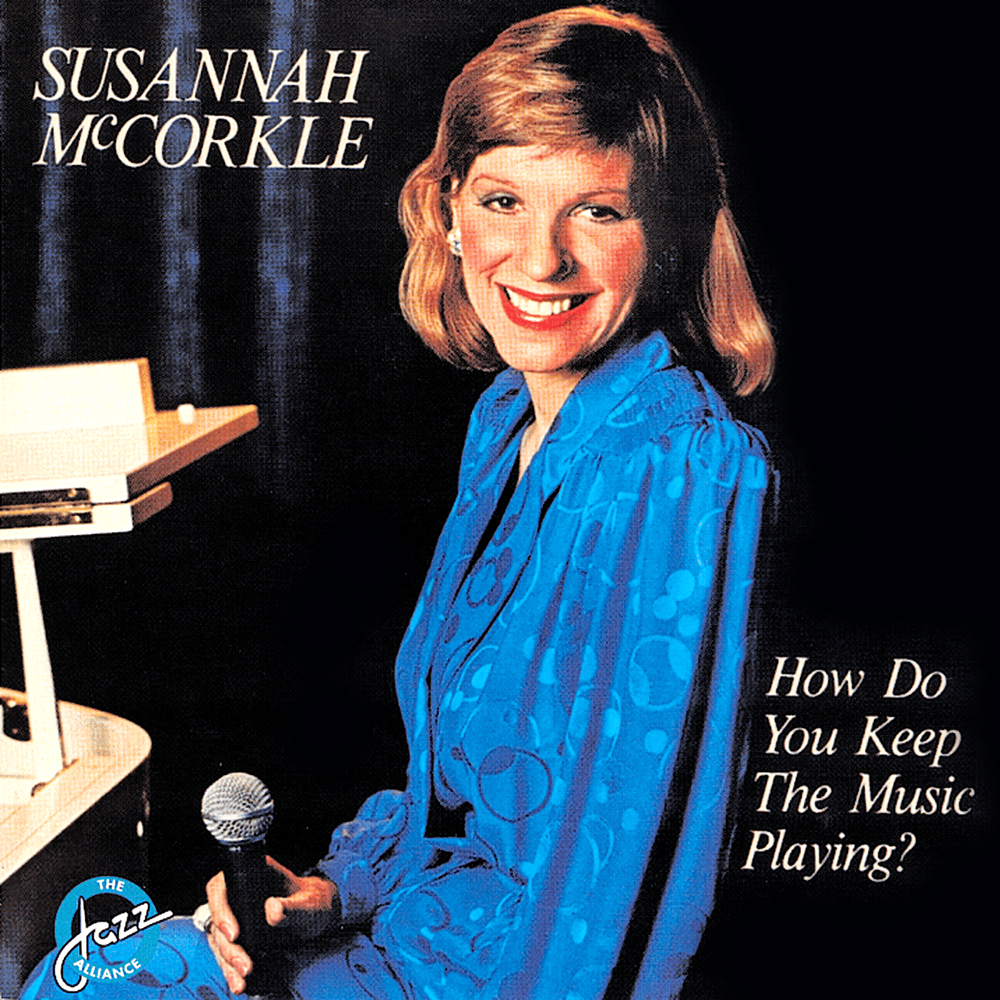
Susannah McCorkle's rendition of "Where or When" isn't merely a jazz standard; it's a haunting exploration of déjà vu and the cyclical nature of connection. The song cleverly taps into a primal human longing for recognition, for the comforting echo of past experiences in the present. McCorkle's delivery, tinged with a wistful melancholy, amplifies the central question: is this love new, or simply a rediscovery of something ancient and deeply ingrained? The brilliance lies in its ambiguity; it doesn't offer answers, only the tantalizing possibility of reincarnation, or at least, the persistent recurrence of archetypal relationships. The lyrics, seemingly simple on the surface, delve into the subconscious pull of familiarity.
"The clothes you're wearing are the clothes you wore / The smile you are smiling you were smiling then," she sings, highlighting the disquieting feeling that nothing is truly original. We are, perhaps, condemned to repeat patterns, to find ourselves drawn to the same souls across lifetimes, or within the confines of our own limited emotional range. The song's power resides in its universality; it speaks to the inherent human desire to find meaning in the chaos of existence, to believe that even the most fleeting encounters are part of a larger, preordained narrative.
Ultimately, "Where or When," as interpreted by McCorkle, becomes a meditation on memory and the illusion of novelty. It questions the very foundation of our perceptions, suggesting that love, joy, and even sorrow, are not unique events, but rather recurring themes in the grand symphony of life. The song's enduring appeal lies in its ability to evoke this sense of timelessness, leaving the listener pondering the mysteries of fate and the enduring power of the human heart.
 View Artist