Song Meaning
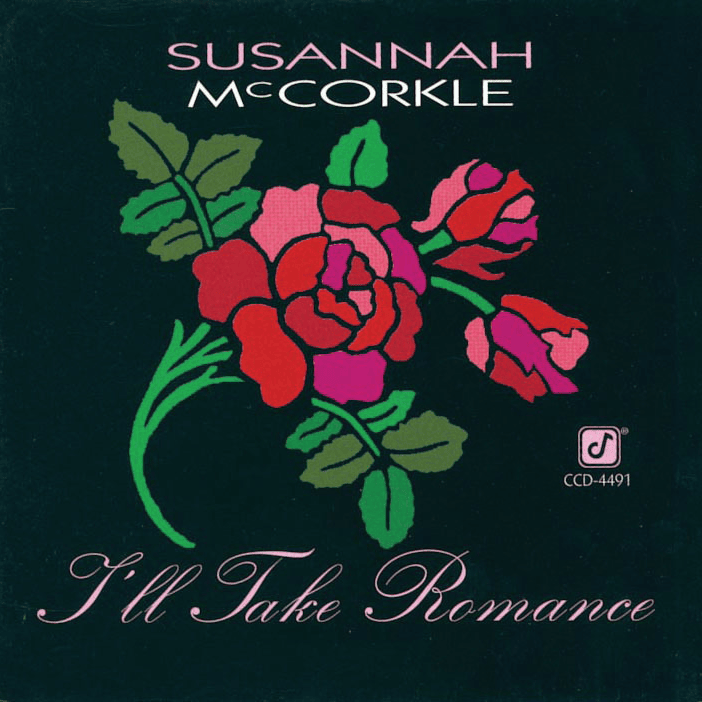
Susannah McCorkle's rendition of "My Foolish Heart" is a masterclass in the push and pull of nascent desire, a tightrope walk between infatuation and the terrifying precipice of genuine love. The song, a jazz standard, gains added weight in McCorkle's delivery, becoming less a simple declaration of romance and more an internal monologue fraught with self-awareness. The opening lines, "The night is like a lovely tune/Beware my foolish heart," immediately establish the central conflict: the allure of the moment versus the speaker's guarded, perhaps wounded, past. This isn't blind optimism; it's a cautious optimism, earned through experience. McCorkle doesn't just sing the words; she embodies the internal struggle.
The lyrics themselves delve into the deceptive similarities between mere "fascination" and true love, acknowledging the risk of misinterpreting intense feelings. The "magic of a kiss" can easily cloud judgment, leading to heartbreak. This isn't naivete; it's a sophisticated understanding of the human capacity for self-deception, a theme McCorkle often explored in her work. The phrase "foolish heart" isn't necessarily self-deprecating. It suggests a vulnerability, an openness to experience that, while potentially painful, is also essential for connection. The heart, in its 'foolishness', dares to hope, dares to believe, even when reason dictates otherwise.
Ultimately, the song pivots on the assertion that "this time it isn't fascination…It's love." This isn't a naive surrender to emotion but a conscious choice to embrace the possibility of something real. McCorkle's nuanced interpretation suggests a hard-won victory over past disappointments. The final declaration, "My foolish heart," carries a different weight than the earlier warnings. It's no longer a plea for caution but an acceptance, even a celebration, of the heart's capacity for both joy and sorrow. The foolishness becomes a strength, a testament to the enduring human need for connection, even in the face of potential pain.
 View Artist