Song Meaning
The lyrics paint a vivid, relatable picture of physical exhaustion from a demanding service job. The repeated cries of "Ooh! My feet!" and "My poor, poor feet!" immediately establish a tone of weary complaint, grounding the listener in the immediate, visceral discomfort of being on one's feet all day. The narrator questions the fairness of her compensation, suggesting the physical toll far outweighs the perceived pay, a sentiment many in similar roles might recognize.
The central tension lies between the physical agony and the professional necessity of maintaining a pleasant demeanor. The question, "How can I give the service with a smile?" highlights this conflict, as the narrator's internal suffering directly clashes with the external expectation of cheerful service. This internal struggle is amplified by the relentless description of movement, "Mile after mile after mile," emphasizing the unending nature of her labor.
The most striking element is the clever repurposing of the "This little piggy" rhyme. What was once a playful childhood chant is twisted into a grim accounting of foot pain, with each "piggy" representing a different sensation of agony and pressure. The contrast between the mundane "order of Melba toast" and the extreme pain it supposedly causes, especially in the "littlest little piggy," underscores the disproportionate suffering experienced by the narrator.
Ultimately, the lyrics resonate because they capture a specific, yet widely understood, form of physical hardship. The playful, almost childlike, structure of the "piggy" rhyme juxtaposed with the raw, adult pain creates a unique emotional texture. The closing image of a "blue plate special ballet" is a perfect, ironic encapsulation of grace and suffering, transforming the drudgery of the job into a painful, involuntary performance.
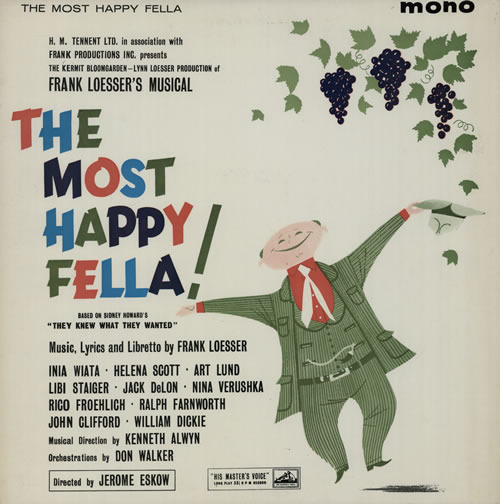
 View Artist