Song Meaning
The lyrics for "Hallelujah" immediately set a scene blending the sacred and the intimate. It opens with a biblical reference to a "secret chord" played by David, then pivots to a direct, almost casual question: "But you don't really care for music, do ya?" This quick shift establishes a conversational tone, even as it describes a fundamental musical progression: "The minor fall then the major lift."
The central tension emerges in the second verse, where strong faith confronts human desire. A figure, whose "faith was strong but you needed proof," witnesses a woman "bathing on the roof," leading to a profound undoing. The subsequent lines, "She broke your throne and she cut your hair," depict a complete surrender of power and identity, suggesting a deep vulnerability that precedes the utterance of "Hallelujah."
What makes these lyrics so compelling is the recontextualization of "Hallelujah" itself. Initially associated with divine pleasure and a "baffled king composing," it later becomes a sound "from your lips she drew" after a moment of human weakness and seduction. This suggests "Hallelujah" isn't solely a cry of praise, but an expression of awe, surrender, or even pain born from deeply flawed, yet profoundly human, experiences. The musical description of a "minor fall then the major lift" perfectly mirrors this complex emotional arc.
The effectiveness of the writing lies in its ability to ground a sacred word in the messy, contradictory reality of human experience. The speaker's admission, "Baby, I've been here before," adds a layer of shared understanding, implying that this cycle of faith, temptation, and unexpected praise is a universal one. It invites the listener to consider what "Hallelujah" truly signifies in moments of both spiritual elevation and profound, often painful, vulnerability.
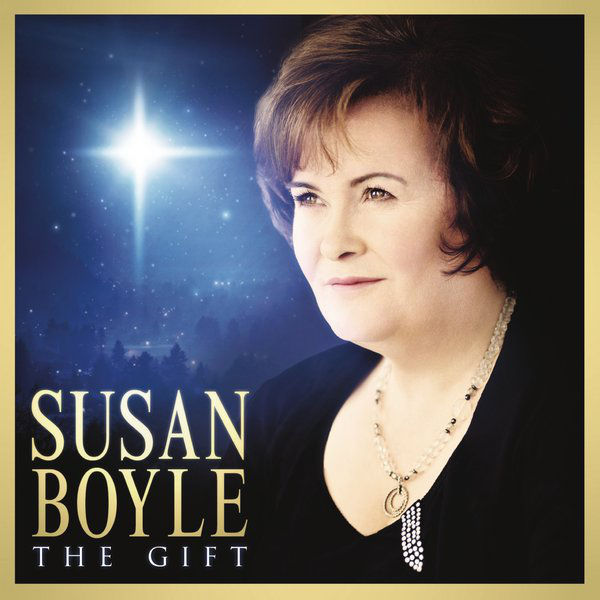
 View Artist