Song Meaning
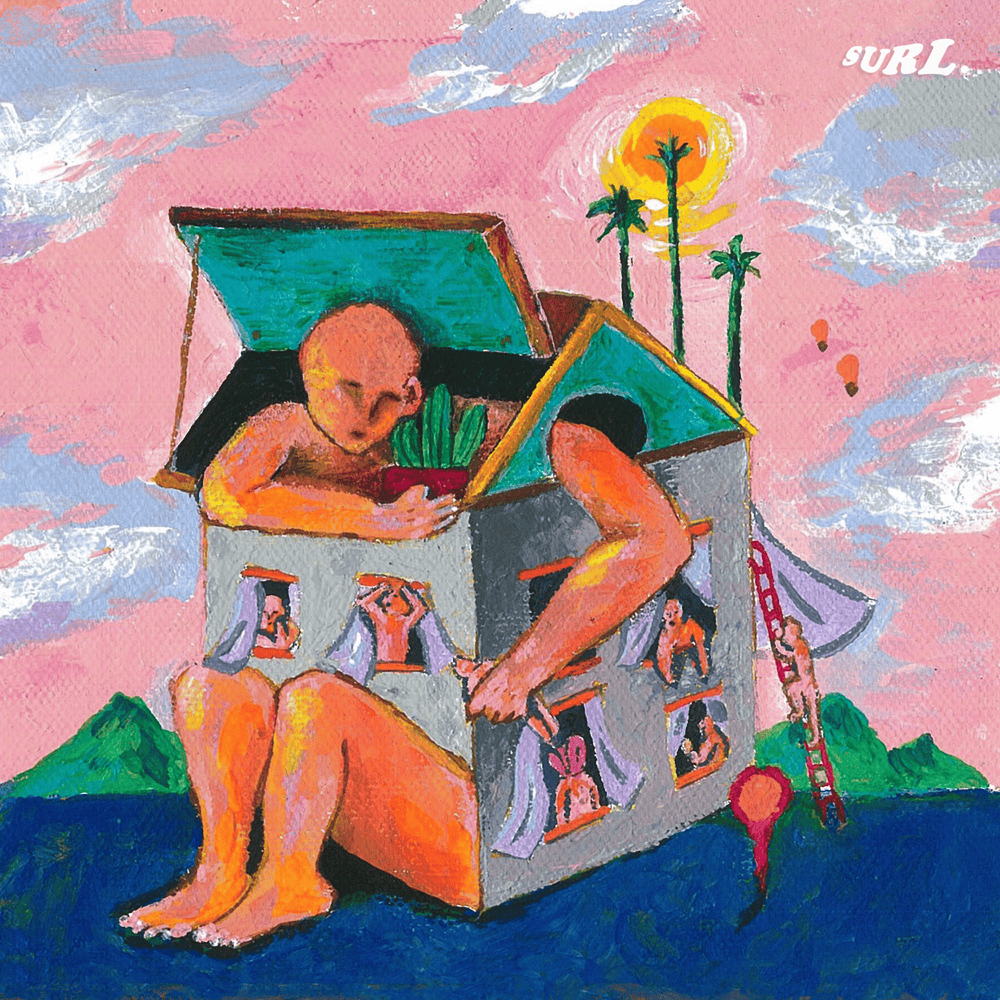
Trapped in a stifling present, the narrator fixates on escape, seeing a sliver of opportunity in a slightly open door. This initial impulse to flee, however, quickly leads to a disorienting realization: the road ahead is vast, yet destinationless. The lyrics paint a picture of being thrust onto an unknown path, unable to turn back.
The core tension lies in the paradox of an expansive road with nowhere to go. The narrator is moving, walking "the first-seen road," but this forward motion is devoid of purpose or direction. The feeling intensifies with the second verse, where the narrator is left "holding my head, sobbing" in a side alley, the "shadows grow longer," and the "destination is still far away." This highlights a profound sense of being lost and overwhelmed by the sheer distance yet to travel.
What's striking is the stark contrast between the perceived "wide road" and the absence of a "place to go." The repeated phrase "I couldn't see anything else" emphasizes a tunnel vision that led to this predicament, a state of being so focused on escaping the immediate confinement that the lack of a future path was overlooked. The finality of "there is no road to go back" underscores the irreversible nature of their current situation.
This lyrical construction effectively captures a feeling of existential drift. The relentless walking on an unknown path, coupled with the inability to return, creates a potent sense of unease and helplessness. The writing forces the listener to confront the anxiety of forward momentum without direction, a common human fear amplified by the stark imagery of an endless, purposeless journey.
 View Artist