Song Meaning
The narrator rehearses conversations dozens of times in their head, but the words remain stuck, much like the "dry flower" they once offered. This initial image sets a tone of stagnant affection and unspoken feelings. The narrator is physically present, yet emotionally paralyzed, unable to bridge the gap between their internal world and the reality of the person they admire. The repeated phrase "I'll be okay here, drying out" suggests a passive acceptance of this state, a slow wilting rather than a dramatic collapse.
The core tension lies in the narrator's inability to express their feelings, contrasting with their persistent hope. They walk towards the person, only to find their own footsteps receding, a poignant image of self-sabotage or an unbridgeable distance. The internal monologue is rich with imagined dialogues, yet the external reality is silence and a growing sense of separation. This internal/external conflict fuels the song's melancholic atmosphere, where presence doesn't equate to connection.
The most striking craft element is the recurring metaphor of the "dry flower." It’s not just a symbol of something withered; it represents the narrator's own state of being – dried out, waiting, and unable to fully bloom or connect. The lyrics suggest a self-awareness of this condition, as the narrator acknowledges they are "already withered and dried out." This realization, however, doesn't lead to action but rather a resigned observation of their own slow decay.
This song hits hard because it captures the quiet desperation of unrequited or unexpressed love. The detailed internal struggle, juxtaposed with the narrator's physical proximity, creates a palpable sense of longing and frustration. The imagery of drying and withering, rather than vibrant growth, speaks to a love that exists more in anticipation and internal rehearsal than in tangible interaction, making the narrator's eventual self-recognition of their own withered state all the more heartbreaking.
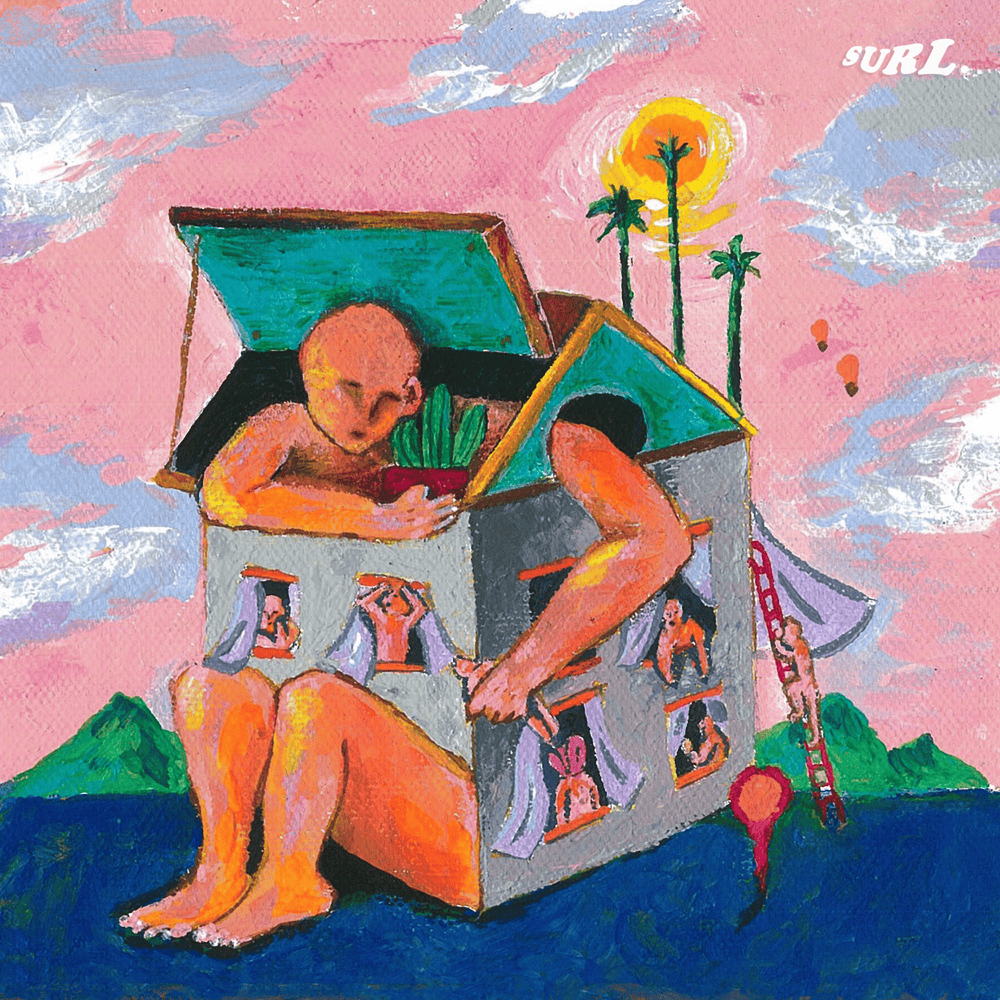
 View Artist