Song Meaning
The lyrics immediately plunge into a stark contrast: a past of connection versus a present of spectral existence. The speaker, now a "ghost," laments a lost intimacy, suggesting a profound transformation from vitality to an unseen state. It's a raw depiction of absence, where a pulse once meant closeness.
The core tension lies in the speaker's desperate need for acknowledgment despite their perceived undesirability. "You don't want to see me," they concede, recognizing their "sorry sight." Yet, the plea "All I ask that you hear me" reveals a deep longing for connection, even if it's just auditory, a whisper from the void that once held a life and the agency to "pick my wife."
The most striking element is the bitter irony woven through the chorus, culminating in "You can laugh, it's a funny joke." This isn't humor; it's a shield. The speaker seems to preemptively dismiss their own suffering, inviting scorn as a twisted form of engagement, or perhaps highlighting the absurdity of their current, lifeless existence "among the dead."
These lyrics are effective because they use the potent metaphor of death and ghostliness to articulate extreme emotional alienation. The simple, direct language and repetitive structure amplify the speaker's isolation and the crushing weight of being forgotten or deemed repulsive. It captures the feeling of being so fundamentally changed by loss that one becomes unrecognizable, yet still yearns for a voice.
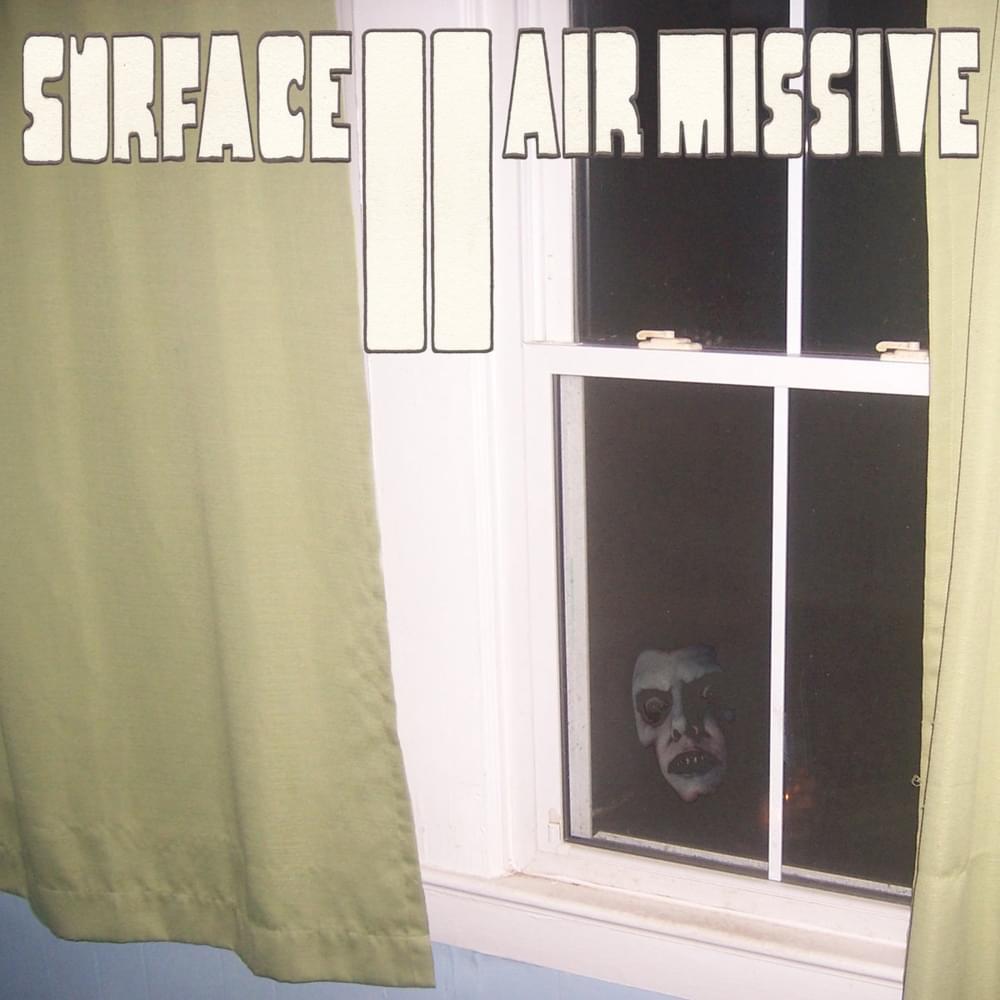
 View Artist