Song Meaning
The lyrics paint a picture of profound disillusionment and a descent into a disturbing fascination. The narrator feels trapped, spending "countless hours" and "countless days" in a state of "doubtful outlook." This feeling of being buried alive is so intense that the "grave" becomes a perverse "home," a place of sickness and anger with no discernible cause. This internal rot seems to draw the narrator towards a figure associated with "Manson's thrall."
The central tension lies in the narrator's conflicted perception of this "Manson" figure, referred to as "Charlie." The lyrics pose a series of contradictory questions: "A god reborn? A total clown?" and "A five foot joke? Or was he the one?" This ambiguity highlights a desperate search for meaning or a powerful figure, even if that figure is morally reprehensible. The narrator acknowledges the "exposed truth" but seems unable to escape its pull, suggesting a dangerous allure that overrides rational judgment.
The most striking aspect is the nihilistic pronouncement about divinity. The repeated assertion that "God is gone" is not just a statement of absence but a negation of existence: "And never will / Never was / Never has been." This radical emptiness seems to fuel the narrator's internal turmoil and the unsettling fascination with the "creepy crawl" of destructive ideologies. The repetition of "God is gone" at the end amplifies the sense of finality and despair.
This writing is effective because it captures a specific kind of mental freefall. The juxtaposition of the mundane ("countless hours") with the horrific ("Manson's thrall") creates a visceral unease. The internal debate about "Charlie" mirrors a struggle with dangerous ideas, making the narrator's descent feel both personal and disturbingly plausible. The stark, declarative statements about God's non-existence leave the listener with a chilling sense of void.
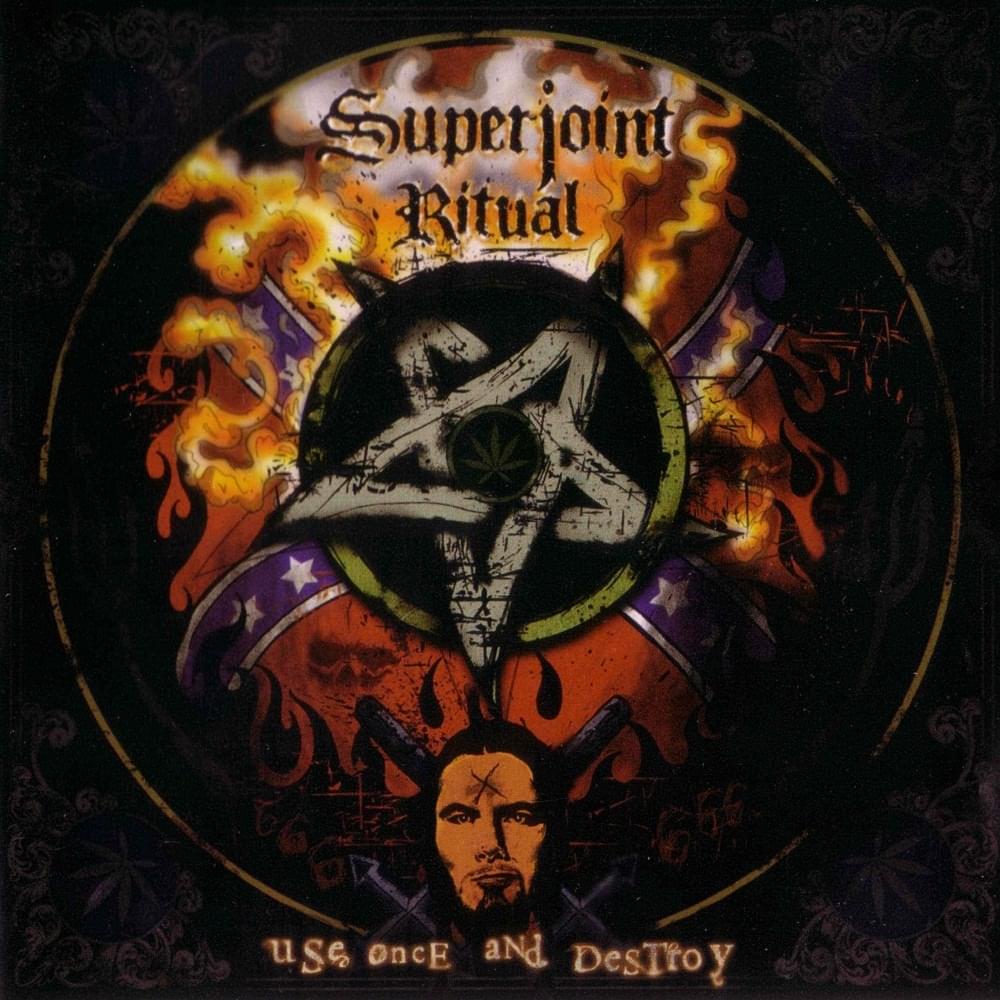
 View Artist