Song Meaning
The lyrics paint a picture of a desire for intense, almost invasive intimacy, urging a partner to "shut out the world" and allow the speaker "to climb inside." This is framed as a way to "unwind" and escape external pressures, suggesting a shared retreat from a world where "the people don't care." The initial invitation feels like a plea for connection, a desperate attempt to create a private universe for two.
However, a deep undercurrent of melancholy and potential harm surfaces with the line "Sometimes I make you sad." This confession introduces a complex dynamic, hinting that the very closeness being sought might also be a source of pain. The narrator seems aware of their impact, yet continues to push for this intense bond, creating a tension between the desire for escape and the acknowledgment of inflicting sadness.
The imagery shifts to a somewhat surreal narrative of a "boy" alone in "Rome" in a "rowing boat," setting sail. This feels like a metaphor for isolation and a yearning for a grand, perhaps misguided, escape. The repeated phrase "Get back on this song" acts as a command, a desperate attempt to regain control or focus amidst this drifting narrative, pulling the listener back to the central emotional plea.
Ultimately, the effectiveness of these lyrics lies in their unsettling honesty and the stark contrast between the initial romantic invitation and the later admission of causing sadness. The declaration "And not a word I've said is true" followed by "But the people don't care / 'Cos there's nothing out there" creates a profound sense of disillusionment. It suggests that the entire pursuit of this intense connection, and perhaps the world itself, is built on a foundation of untruths and indifference, leaving the listener with a lingering feeling of profound loneliness.
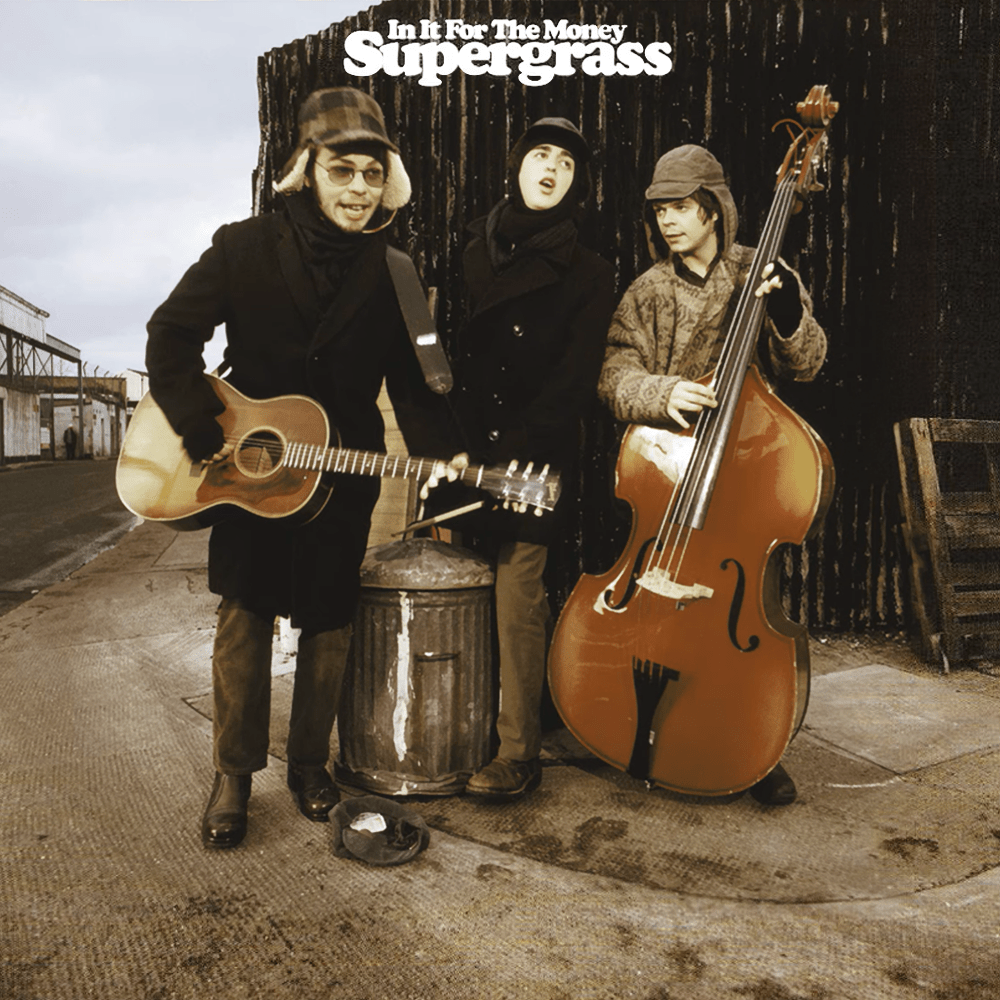
 View Artist