Song Meaning
The lyrics paint a picture of feeling trapped and overwhelmed by external forces and internal turmoil. The opening lines suggest a sense of unavoidable danger and predetermined paths, with a directive to "step aside" from unseen "damage." There's a palpable feeling of being stuck, described as "too hot and dirty inside" with "nowhere to go," forcing a suppression of emotions. This sets a tone of anxious resignation, where external signs are followed not out of hope, but as a means of escape from an oppressive present.
The central tension arises from the conflict between a desire for direction and the reality of being lost. The narrator questions, "Where are you going? That decision is made," implying a lack of agency. Later, the plea "tell me what do I know" and the lament "There's no direction now, so where do I go?" highlight a profound disorientation. This feeling is amplified by the repeated, almost cynical chorus: "Follow all the signs and they'll lead us away / And it's all good stuff for killing around the world today." This suggests that the prescribed paths and distractions are ultimately destructive or meaningless, offering only a temporary reprieve from an underlying crisis.
The most striking element is the juxtaposition of passive compliance with active destruction. The chorus presents following signs as a way to be led "away," but the purpose is chillingly revealed as "killing around the world." This implies that societal directives, media consumption ("Turn off your television"), and even attempts to "cut up and fear tap into the nervous system" are all part of a larger, perhaps manufactured, cycle of distraction and harm. The phrase "feeding time" in the third verse further suggests a passive consumption of something that is ultimately detrimental, something that "won't let go."
Ultimately, these lyrics resonate because they capture a feeling of being adrift in a world where the available paths seem to lead only to further confusion or complicity in destruction. The craft lies in its stark, almost detached descriptions of internal states and external pressures. The narrator appears to be observing their own predicament, detailing the mechanisms of control and the resulting sense of futility. The effectiveness comes from this unflinching portrayal of being caught in a system that offers no genuine escape, only the illusion of movement towards an unknown, possibly bleak, destination.
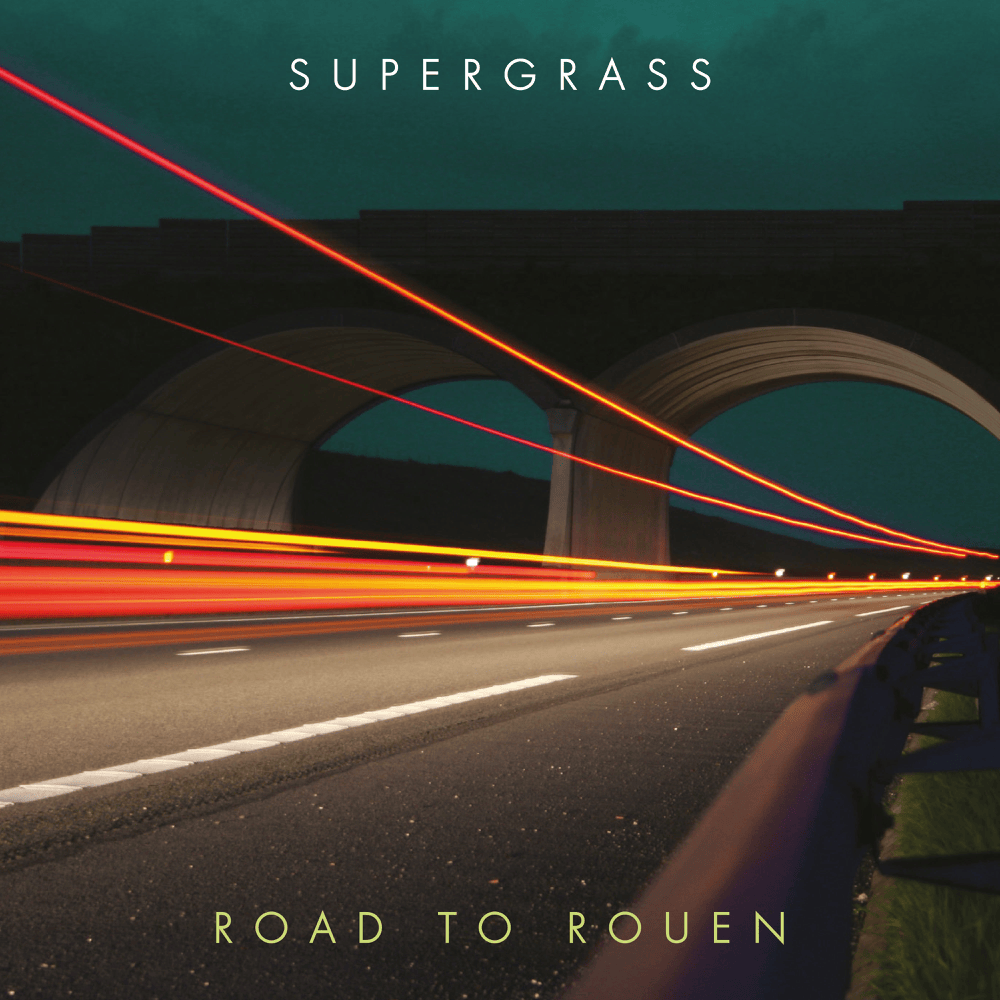
 View Artist