Song Meaning
The lyrics paint a picture of profound disorientation and isolation. The narrator walks "into the night" with a disembodied sensation, feeling as though their "feet have touched the ground" is a distant memory. This detachment is amplified by an inability to find companionship or support, as "I can't see anyone who'd take the time." The desire to "carry on" clashes directly with this overwhelming sense of being alone and adrift.
The central tension lies in the struggle between a hopeful, forward-looking sentiment and the immediate, heavy weight of internal turmoil. The chorus offers a conditional solace: "Maybe tomorrow, could be fine." This isn't a guarantee, but a fragile possibility, acknowledging that "troubles" are present "in your mind." The repetition of this refrain underscores the persistent nature of these internal struggles, making the hope for a better tomorrow feel more like a desperate wish than a concrete expectation.
The writing effectively uses contrasting imagery to convey this emotional state. The feeling of not touching the ground suggests a lack of grounding or stability, while the desire to "carry on" implies a drive forward. This creates a push-and-pull dynamic, where the narrator is simultaneously trying to move ahead and feeling held back by an unseen force. The ambiguity of "up or coming down" further emphasizes this internal confusion, blurring the lines between progress and decline.
Ultimately, the lyrics resonate because they capture a specific kind of existential loneliness. The power isn't in grand pronouncements, but in the quiet, almost understated depiction of feeling lost and unsupported. The simple, repeated chorus acts as a mantra, a small flicker of hope in the face of pervasive doubt, making the listener feel the narrator's quiet struggle for equilibrium.
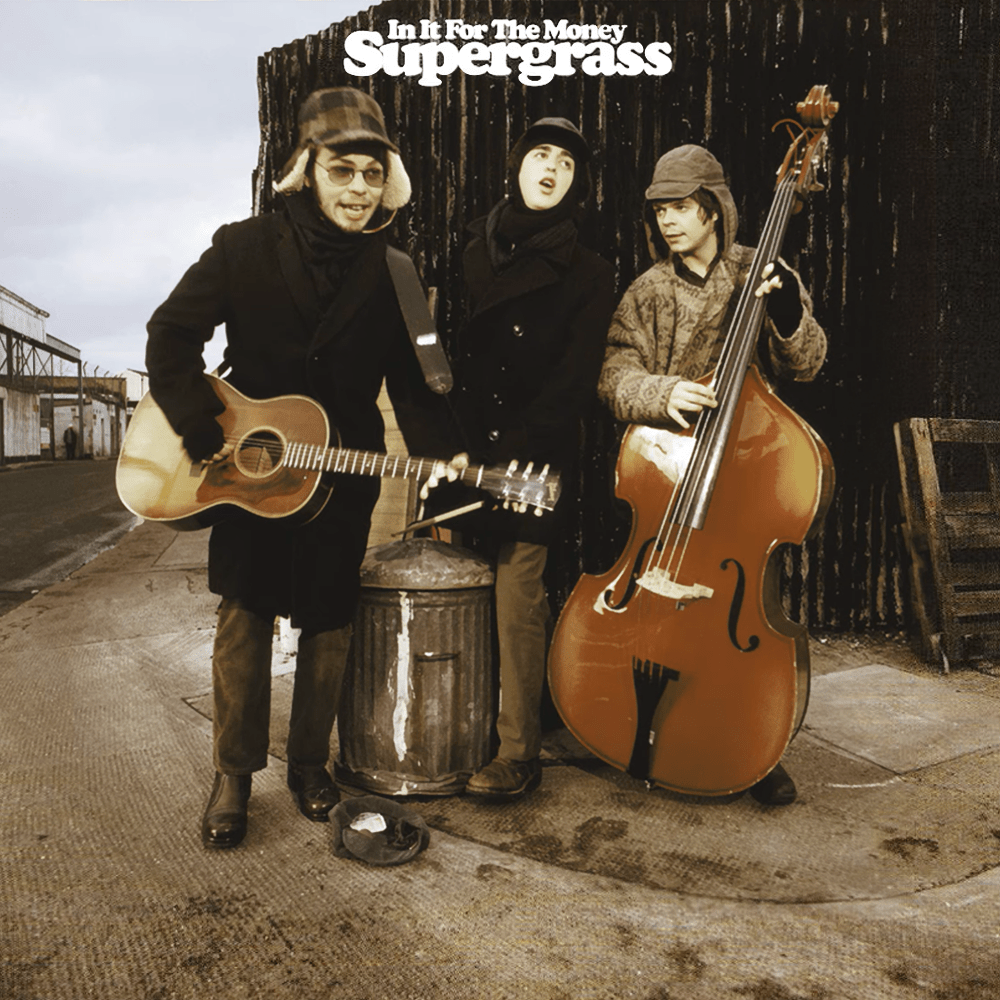
 View Artist