Song Meaning
The narrator expresses a profound dread of a "happy holy trinity," linking its appearance to their own demise and an overwhelming emotional breakdown. This isn't a celebration; it's a prophecy of personal destruction, a stark contrast to any expected joy. The imagery of "gush like water from my eye" paints a picture of uncontrollable sorrow, a visceral reaction to this impending, dreaded event.
The core tension arises from the conflict between external expectations, possibly religious or familial, and the narrator's internal state. The repeated apologies to "mom, dad," and "god" suggest a deep sense of failing to meet a prescribed ideal, a "dream you had." This failure is directly tied to succumbing to "his loving lies," indicating a betrayal or manipulation that has led them astray from a path others envisioned.
The most striking element is the obsessive repetition of "his loving lies." This phrase, hammered home with increasing intensity, transforms from a simple statement into a suffocating mantra. It highlights how these deceptive words, presented as benevolent, are the very source of the narrator's pain and perceived damnation. The contrast between "loving" and "lies" is a potent oxymoron, suggesting a particularly insidious form of deception that masquerades as affection.
This writing is effective because it captures a specific, raw emotional state of being trapped by deceit and failing to live up to external pressures. The relentless repetition of "loving lies" creates a sense of inescapable doom, while the apologies underscore a profound personal guilt. The final lines, urging one to "listen well" to the heart leading "down the pious path to hell," offer a darkly ironic twist, suggesting that even inner guidance can lead to ruin when tainted by external falsehoods.
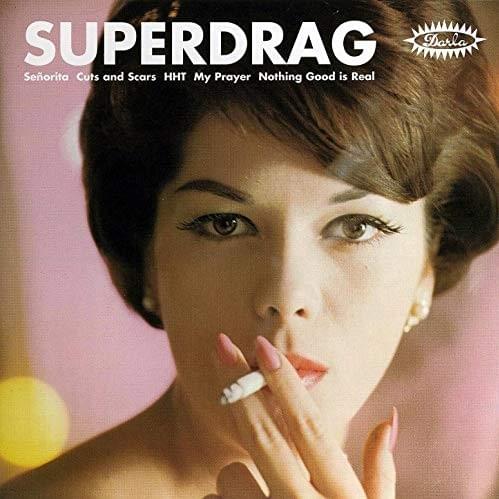
 View Artist