Song Meaning
The lyrics paint a picture of someone urging another person to break free from a stagnant existence. The opening questions, "Será que um dia você vai acordar / E ver que essa casa não é o seu lugar?" immediately establish a sense of unease and a plea for awakening. There's a palpable frustration with the other person's inaction, captured in the repeated lines "Você espera demais / Se dá um passo pra frente / Por que dois passos pra trás?" This highlights a cycle of hesitation and regression that the narrator finds unbearable to witness.
The central tension lies in the contrast between the passage of time and the other person's inertia. The narrator emphasizes how quickly life slips away, noting "A sua vida passa num instante" and the stark reality that "Já se passaram mais de vinte anos." This urgency is amplified by the fading of external support, as "A sorte já não quer sorrir / A fé já se foi e só restou você." The implication is that the individual is running out of time and external validation, making their continued inaction even more concerning.
The most striking shift occurs with the declaration "Nós somos reais / Estamos bem aqui na sua frente / Não somos normais / Não adianta fugir do que se sente." This introduces a new perspective, possibly a collective voice or a more assertive self, asserting their presence and authenticity. The phrase "Não somos normais" suggests a rejection of conventional expectations or a embrace of individuality, directly challenging the other person's perceived need for a "normal" or "right" place. The imagery of "As cordas amarradas em você" further reinforces the idea of being held back by unseen forces or self-imposed limitations.
Ultimately, the lyrics resonate because they tap into the universal struggle of recognizing wasted potential and the fear of regret. The narrator's persistent call to action, coupled with the stark reminder of time's relentless march, creates a powerful emotional undercurrent. The final question, "O quão valioso é o tempo que se perdeu?" leaves the listener contemplating their own moments of hesitation and the true cost of not living fully in the present.
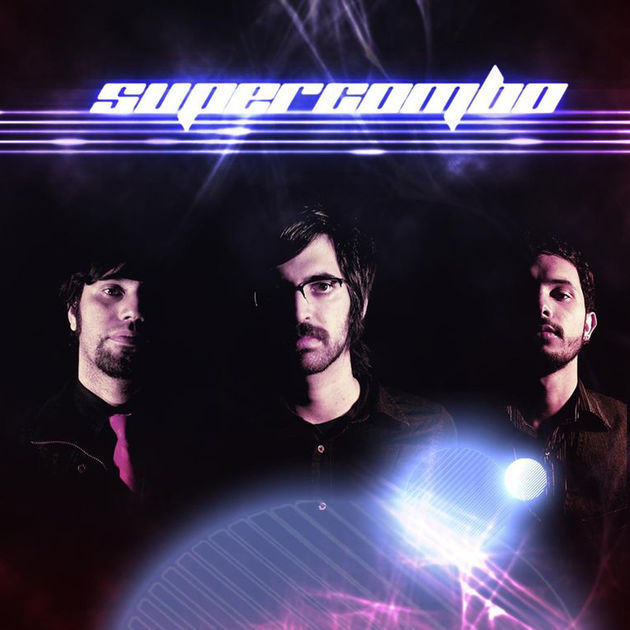
 View Artist