Song Meaning
The lyrics paint a picture of a bitter, almost vengeful aftermath following a relationship's end. The opening lines suggest a delayed message, a "grouch" arriving after the fact, implying the recipient is now "covered" and their "lazy lovers" have moved on, their own narratives complete. This sets a tone of finality and perhaps a sense of the narrator's own perceived victory, even if it's a hollow one. The "sound" discovered is "phonier than the hostesses laugh," a sharp jab at superficiality and insincerity, hinting that the recipient's world is built on a false foundation.
The core tension lies in the narrator's lingering questions and the raw pain of rejection, juxtaposed with a defiant assertion of moving on. "Could I have loved you more?" and "Could I have changed my score?" are direct appeals, but they quickly pivot to a more aggressive stance: "Well did you think I wore rejection well?" The imagery of a "love note on fire" is potent, suggesting a passionate, perhaps destructive, end to affection. The narrator seems to be framing the recipient's eventual weariness as a consequence, turning their past hurt into a "story I can tell."
The most striking craft element is the shift in perspective and the visceral imagery of the second verse. The "face" that will be "drying on all your windows and your walls" is a disturbing, almost Pollock-esque image of the narrator's presence or memory haunting the recipient. The "fumes" that cause "crying" are a sensory detail that amplifies the unpleasantness, yet the narrator concludes with a chilling "But I can't hear you now at all." This final line is crucial, signifying a deliberate severing of connection, a refusal to be affected by the recipient's pain, even as the narrator has created such a potent, lingering image of their own impact.
This writing is effective because it captures the complex, often ugly emotions that follow a breakup: the desire for revenge, the lingering questions, and the ultimate need to detach. The narrator doesn't just express sadness; they weaponize their memories and their pain, transforming it into a haunting, almost artistic, statement. The contrast between the initial vulnerability of the questions and the final, cold declaration of not hearing the recipient's cries makes the narrator's eventual detachment feel earned, albeit through a dark and powerful lens.
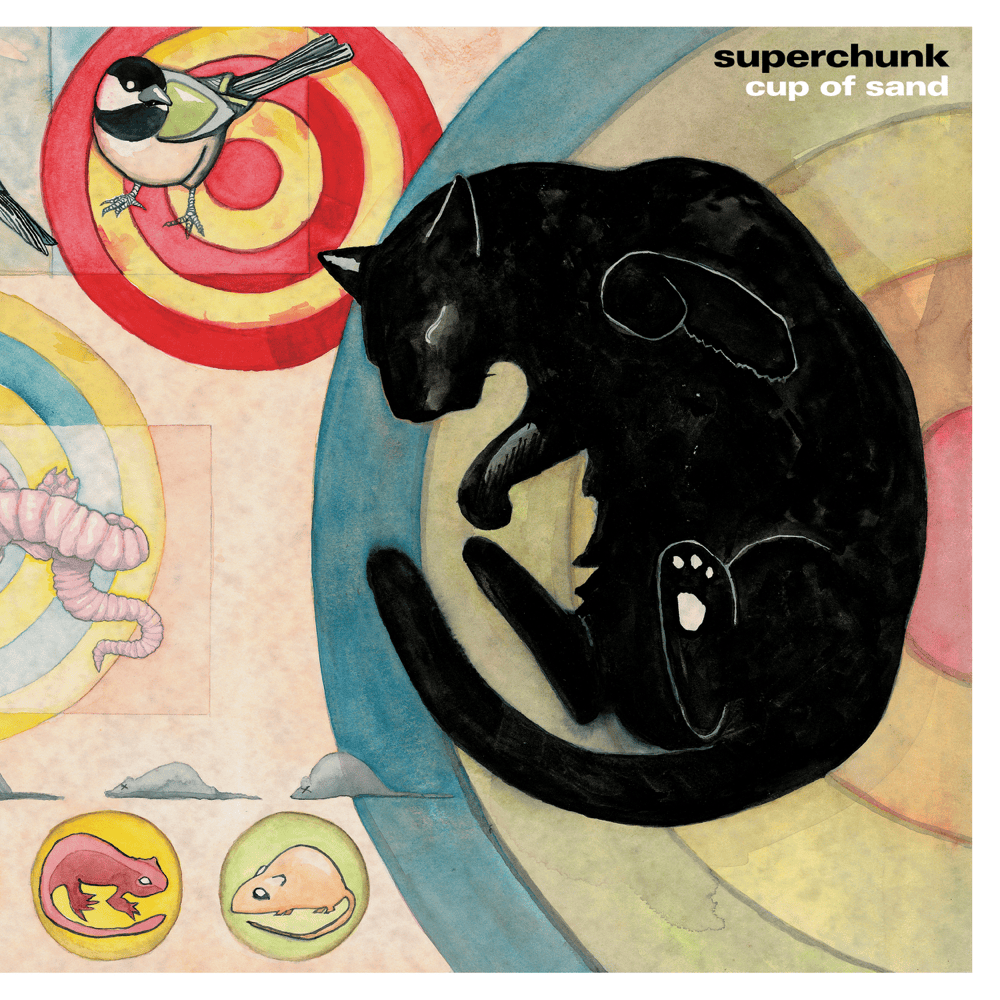
 View Artist