Song Meaning
The lyrics paint a picture of being overwhelmed by the unknown and the absent. An accumulation of "everything the dead don't know" and "everything that you won't see" creates a suffocating weight, described as piling up "like magazines and overflows." This unseen, unacknowledged mass descends, threatening to "bury me." The immediate sensory details of the external world – a place, a sound, a taste – are questioned, but the real focus shifts to a profound sense of disconnection.
The central tension lies in the paradox of absence and presence. The addressee "you're not around," yet they are simultaneously the "window we are / Looking out." This suggests a lingering influence or a memory that shapes perception, even in their physical absence. The imagery of a "prism and a lens and a flood and a drought" captures this duality, representing both clarity and overwhelming force, scarcity and abundance, all filtered through this absent figure.
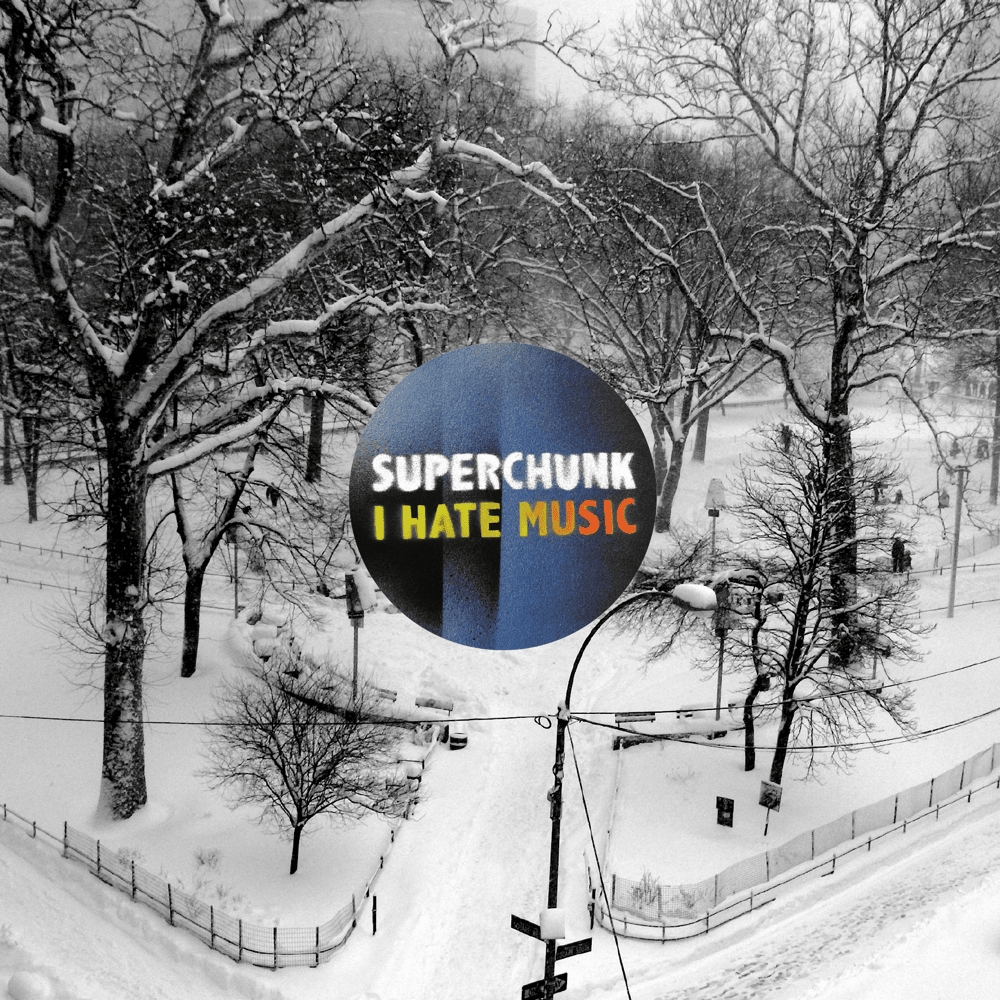
The repeated imagery of standing on a corner in falling snow, posing for a picture with a forced smile, is particularly striking. It’s a moment of outward performance – a "smile that says / Let's go" – juxtaposed with the internal struggle of "Don't let go / Let go." This internal conflict is amplified by the repetition, highlighting the difficulty of moving forward while clinging to something or someone, especially in the face of external pressures like the "falling snow."
This tension between outward composure and inner turmoil makes the lyrics resonate. The contrast between the static, posed image and the dynamic, conflicting commands of "Let's go / Don't let go / Let go" creates a powerful emotional effect. It captures that difficult moment when one must decide whether to embrace change or hold onto the past, a decision made even harder by the weight of unspoken things and absent presences.
 View Artist