Song Meaning
The lyrics paint a picture of a sudden, profound realization that shatters a childhood sense of permanence. It happened in the summertime, a seemingly idyllic setting, when the narrator and their cousin encountered something that shook their "comfy lives." This encounter, described as destiny descending from a "mystery bus," forces a re-evaluation of what it means for something to be permanent.
The central tension lies in the stark contrast between the prior belief in enduring stability and the dawning awareness of impermanence. The repeated phrase, "'Til then we thought a permanent thing / Meant a permanent thing," highlights this naive certainty. The subsequent negation, "But a permanent thing / Is no permanent thing," acts as a brutal correction, revealing that nothing, not even seemingly fixed aspects of life, is truly everlasting. This leads to the melancholic conclusion, "No we've no permanent place to play."
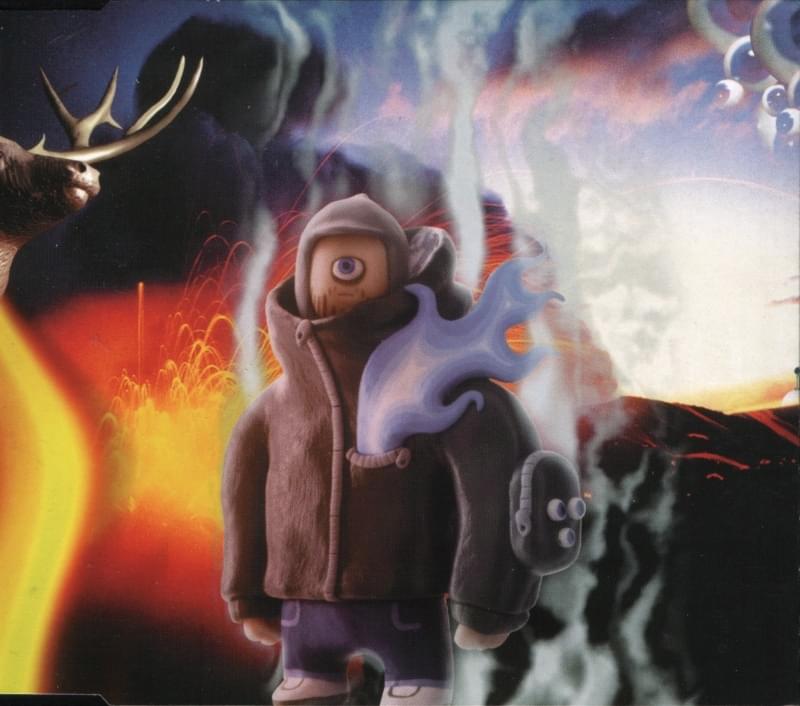
The most striking craft element is the cyclical, almost mantra-like repetition of the idea of permanence, only to dismantle it. This lyrical structure mirrors the disorienting experience of having a foundational belief upended. The imagery of "aftershocks" and "molten rocks" further emphasizes the destructive impact of this revelation, suggesting that the initial event left lasting emotional scars, with the "scorching sun" hinting at future hardships or the relentless march of time.
Ultimately, these lyrics resonate because they capture a universal, albeit painful, rite of passage: the loss of innocence and the confrontation with mortality. The specific, yet relatable, imagery of a shared childhood moment transformed by a harsh truth makes the abstract concept of time's passage feel visceral and deeply personal. The narrator's lingering memory of "shivers down my spine" underscores the profound and unsettling nature of this lesson learned.
 View Artist