Song Meaning
The lyrics paint a stark picture of envy, focusing on the narrator's perceived lack and the object of their desire's abundance. The opening lines immediately establish a contrast: "You have everything / I'm almost empty-handed." This sets up a core tension, where the narrator questions what more the other person could possibly want, while simultaneously admitting their own gaze is fixated on the other's "shining" and "different" daily life. The narrator feels powerless against this perceived disparity, noting how even the stars seem to favor the other person, making their own situation feel hopeless.
The central conflict is the narrator's overt admission of jealousy, "I'm jealous, I'm envious of you." This isn't a subtle undercurrent; it's the driving force. The narrator confesses that their sole desire is for a single thing – love – and that even a fleeting moment of it would suffice. This singular focus amplifies the pain of seeing it seemingly held by another. The lyrics suggest a self-destructive spiral, where the narrator loses even their own faint hope while observing the other person, leading to a feeling of being unlovable and trapped in darkness.
A striking element is the shift in the pre-chorus, moving from the stars being on the other's side to them being unable to help the narrator. This highlights a growing sense of isolation and self-imposed confinement. The narrator feels they've built walls around themselves, making any external help futile. The repeated phrase "I'm jealous, I'm envious of you" underscores the raw, unvarnished nature of this emotion, emphasizing that their desire is not for material wealth but for a specific, unattainable affection.
Ultimately, the effectiveness of these lyrics lies in their unflinching portrayal of a painful, isolating emotion. The narrator's self-awareness of their jealousy, coupled with their inability to escape it, creates a potent sense of pathos. The final lines, "It can't be helped / Everything I wanted is in your embrace / Even the will to protect myself / Looking only at you / Me, left alone," encapsulate the complete surrender to this envious state, where the object of desire becomes the sole focus, leaving the narrator utterly diminished and isolated.
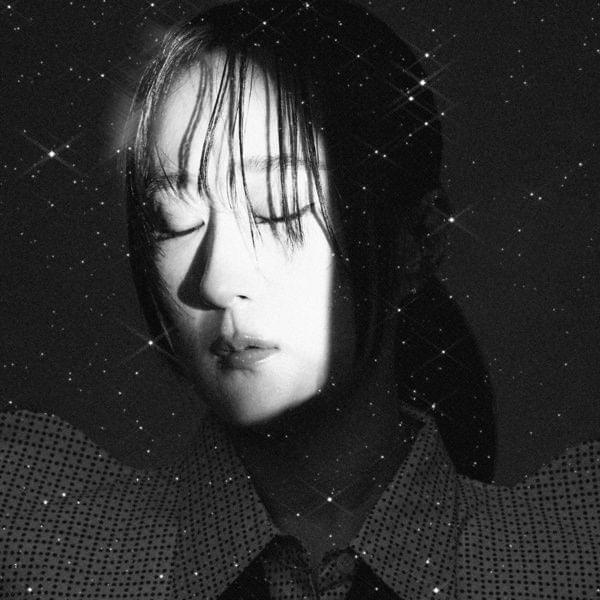
 View Artist