Song Meaning
The lyrics paint a picture of someone navigating the frustrating landscape of searching for connection, only to be met with disappointment. The opening lines acknowledge the impulse to actively seek something, even if it's just the simple beauty of nature, suggesting a restless spirit. This initial seeking is contrasted with the passive, almost resigned, observation of birds in happy union, highlighting a yearning for that same effortless belonging. The repeated phrase "It is alright" acts as a gentle self-reassurance, a way to soften the sting of unmet desires.
The core tension lies between the active, often fruitless, search for a partner and the eventual, hopeful promise of being found. The narrator has experienced the hollow echo of superficial encounters, waking up to "same false cheesy lines" and realizing that what they thought was found is merely a placeholder for "what is missing." This cycle of seeking and finding only emptiness creates a deep ache, a feeling of isolation that the lyrics acknowledge as painful.
The most striking craft element is the shift in agency from "looking for anything" to the passive, yet empowering, instruction: "Don't look for them don't try so hard cause you're the one who will be found." This pivot reframes the entire pursuit. Instead of the individual being the sole agent of their happiness, the lyrics suggest a destiny where fulfillment will arrive, alleviating the pressure of constant searching. The refrain, "Close your eyes and wait," becomes a mantra for surrender and trust.
Ultimately, the effectiveness of these lyrics stems from their empathetic portrayal of loneliness and the subsequent offering of a comforting, albeit passive, resolution. The writing validates the pain of searching while offering a hopeful vision of being discovered, a sentiment that resonates deeply with anyone who has felt adrift. The simple, direct language makes the emotional arc feel earned and accessible, transforming a common experience into a quiet anthem of patience.
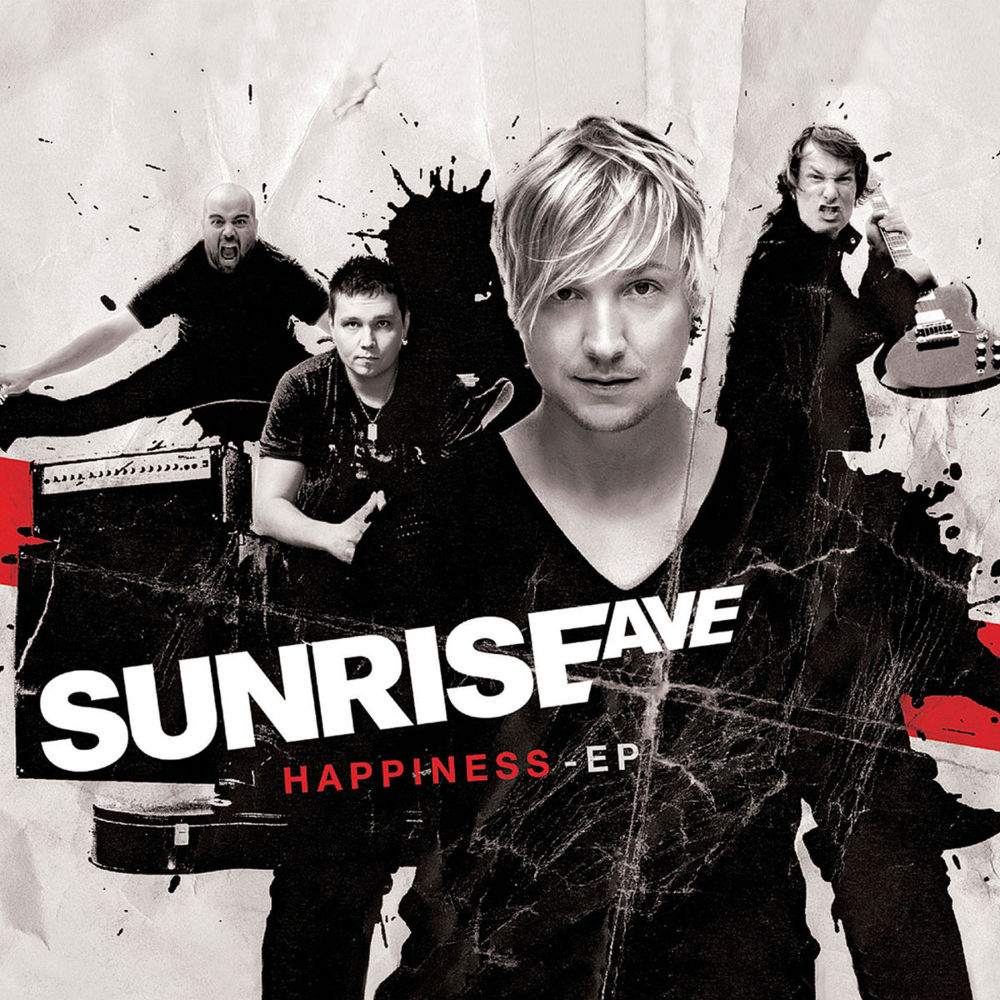
 View Artist