Song Meaning
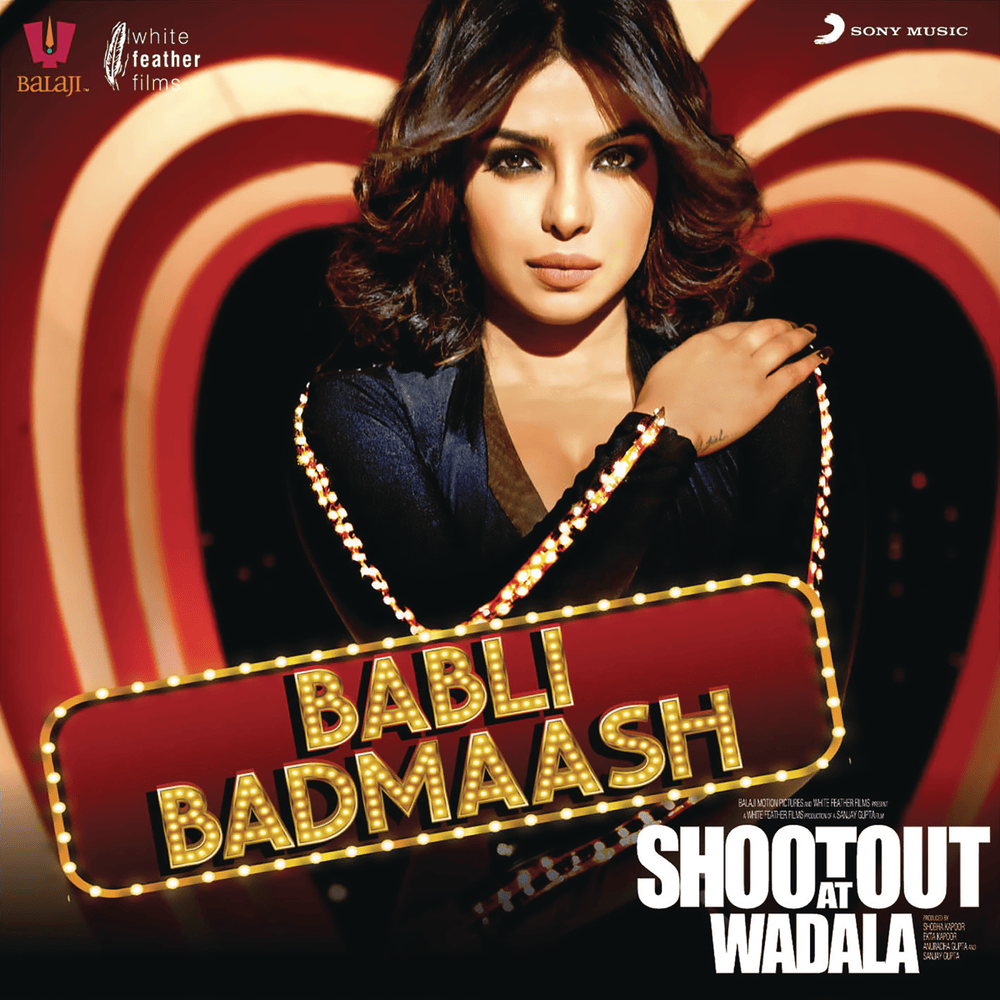
The song kicks off with a playful, almost taunting invitation: "Aazmaa le... aaja tu saamne." This immediately sets a tone of confident challenge, suggesting a direct confrontation or a bold proposition. The narrator, identifying as "Babli badmaash," rejects any pretense of innocence, declaring "Dil parda-faash hai, neeyat aiyyash hai" – their heart is exposed, their intentions are decadent. This isn't about hiding; it's about embracing a wilder, more unrestrained nature.
The core tension lies in this embrace of uninhibited desire versus societal expectations of modesty. The lyrics urge the listener to shed pretense: "Na bann shareef tu, Babli badmaash hai." It’s a call to step into a space of sensual indulgence, away from the mundane: "Kya rakha hai zamaane mein." The imagery of "jalwon ke shaamiyane mein" (under the canopy of splendors) and touching beauty "Husn ko chhule aaj haathon se" paints a picture of immediate, visceral pleasure.
The repetition of "Babli badmaash hai" acts as a defiant anthem, a self-declaration that reclaims a potentially negative label as a badge of honor. The contrast between the expected "shareef" (modest) and the embraced "badmaash" (wicked/naughty) is central. The lyrics also speak to a deep, persistent yearning: "Pyaas jaagi hai kitni raaton se," which can only be quenched through passionate abandon, a state where one is too consumed by desire to even pause for breath.
This track hits hard because it champions unapologetic sensuality and a rejection of repression. The direct address and the confident, almost aggressive invitations create an infectious energy. It’s about the thrill of shedding inhibitions and diving headfirst into raw emotion and physical desire, making the listener feel invited to join the exhilarating chaos.
 View Artist