Song Meaning
The lyrics paint a picture of someone grappling with a complex familial past, specifically a maternal figure. The opening lines introduce a mother who is restless in her sleep, suggesting an underlying turmoil. The narrator questions their own identity, caught between the roles of son and daughter, and the desire to embody both aspects of a parental relationship. This internal conflict seems to stem from the mother's own perceived limitations or perhaps the narrator's attempt to fulfill unmet needs.
The central tension revolves around the inescapable nature of memory and the struggle to move forward. The repeated phrase "The past is the past for a reason" acts as a mantra, an attempt to impose order and finality on lingering emotional baggage. Yet, the narrator admits, "I didn't give up your ghost for a reason," revealing that this separation is not clean or complete. The inability to sleep "for a reason" underscores the persistent, haunting quality of these unresolved issues.
A striking element is the narrator's internal dialogue and the blurring of reality and imagination. They are "done going to all the places that / We used to, we used to in my head," indicating a conscious effort to cease revisiting shared memories. However, this is immediately followed by "And I'm lining to not change up on / How you're doing, how you're feeling," a contradictory impulse to maintain a connection or at least an awareness of the other person's life, even if it involves deception or self-deception. The final image of "lying in the road for a reason" is a powerful, almost desperate statement of vulnerability and surrender, suggesting a willingness to be exposed or even harmed by the weight of the past.
This song resonates because it captures the visceral feeling of being tethered to a past that refuses to stay buried. The craft lies in its direct, almost blunt language, which amplifies the raw emotional state. The repetition of "for a reason" creates a sense of both justification and bewilderment, as if the narrator is trying to convince themselves of the logic behind their pain while simultaneously acknowledging its irrational grip. The contrast between the desire for closure and the inability to let go makes the struggle feel intensely personal and deeply felt.
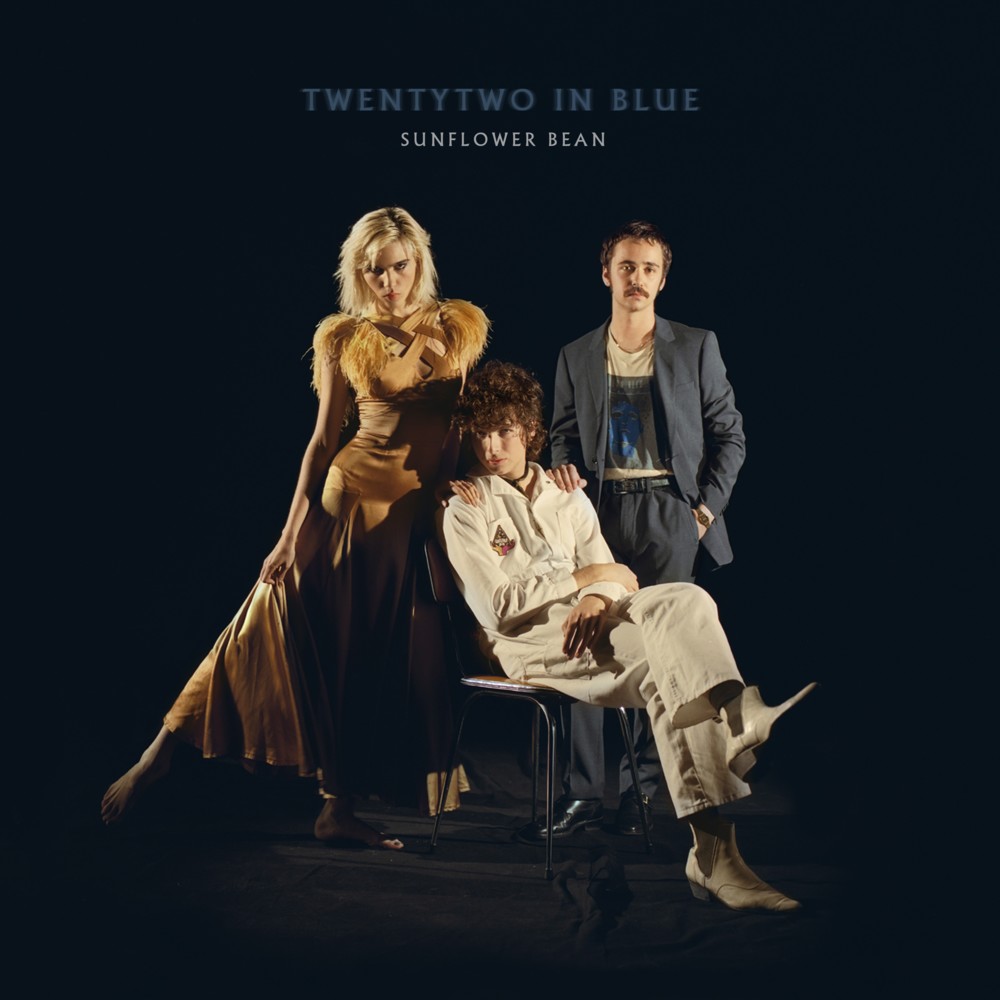
 View Artist