Song Meaning
The lyrics paint a stark picture of impending doom, juxtaposing natural decay with a desperate plea for companionship. The opening verse uses a series of bleak natural images – birds falling, broken seeds – to establish a sense of universal decline. Yet, this is immediately contrasted with the hope that 'All your babies be around to see them growin' up,' suggesting a fragile optimism clinging to the edge of despair.
The central tension lies in the narrator's fear of abandonment amidst this collapse. The chorus is a direct, almost raw, question: "Will you be here with me, my love / When the warm sun turns to ash / And the last tide disappear?" This isn't just about the end of the world; it's about facing that end alone, a profound fear amplified by the narrator's own emotional reticence.
The second verse reveals the root of this fear: a deep-seated insecurity and a history of withholding. The narrator admits to feigning toughness and hiding their true feelings, confessing, "I never showed you if I loved you enough." This self-sabotage, driven by a fear of vulnerability – "things still livin' in me" – makes the plea in the chorus even more poignant. They are asking for presence at the end, perhaps as a form of absolution or a final chance at connection they never allowed themselves before.
Ultimately, the effectiveness of these lyrics stems from their stark, almost apocalyptic imagery fused with intensely personal regret. The narrator’s internal struggle with expressing love directly mirrors the external threat of annihilation. The final chorus, with its vanishing moon and silent cries, amplifies the sense of inevitable loss, making the desperate question of whether their love will remain feel like the only thing left to hold onto.
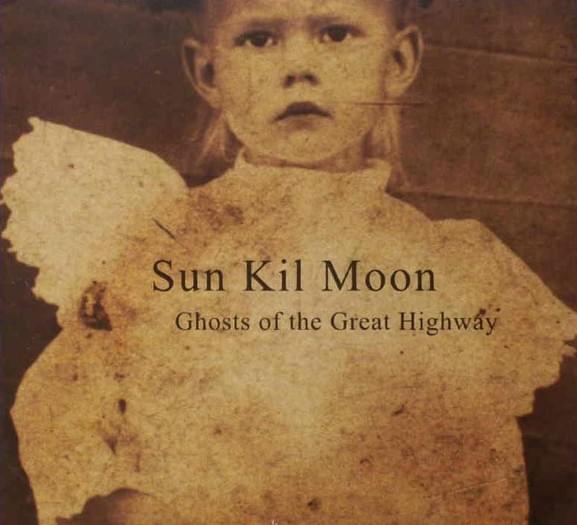
 View Artist