Song Meaning
The lyrics present a stark, almost ritualistic dialogue about the end of life, framed as a choice or a necessary transition. The opening lines directly question readiness for departure, establishing a somber, final tone. This isn't a gentle farewell; it's a confrontation with the cessation of existence, where the phrase "Ab jetzt den weg alleine zu bestehen" (From now on, to face the path alone) underscores the isolation inherent in this moment.
The central tension arises from the contrast between the narrator's apparent acceptance of death – "Den streit verloren, bin tod bereit" (The fight lost, I am ready for death) – and a desperate plea from another voice: "Ich will nicht sterben / Rette mich" (I don't want to die / Save me). This creates a profound emotional conflict, suggesting a struggle between resignation and the primal instinct for survival, or perhaps a plea directed at the one facilitating the end.
The imagery of returning to dust, "Aus staub geboren, zum staub wiedеrkehren" (Born from dust, to return to dust), lends a cyclical, almost philosophical weight to the act of dying. It frames death not just as an end, but as a return to a fundamental state. The repetition of "bereit" (ready) throughout the verses – "Bist du bereit," "Bist du soweit," "Fühl dich bereit" – amplifies this sense of preparation, whether it's for leaving, for the end, or for freedom from suffering.
This lyrical exchange is effective because it captures the profound ambiguity and terror surrounding death. The direct address and the stark, unadorned language strip away sentimentality, leaving only the raw emotional core of facing oblivion. The abrupt shift to the plea "Rette mich" is particularly impactful, highlighting the terrifying fragility of life even in the face of apparent acceptance.
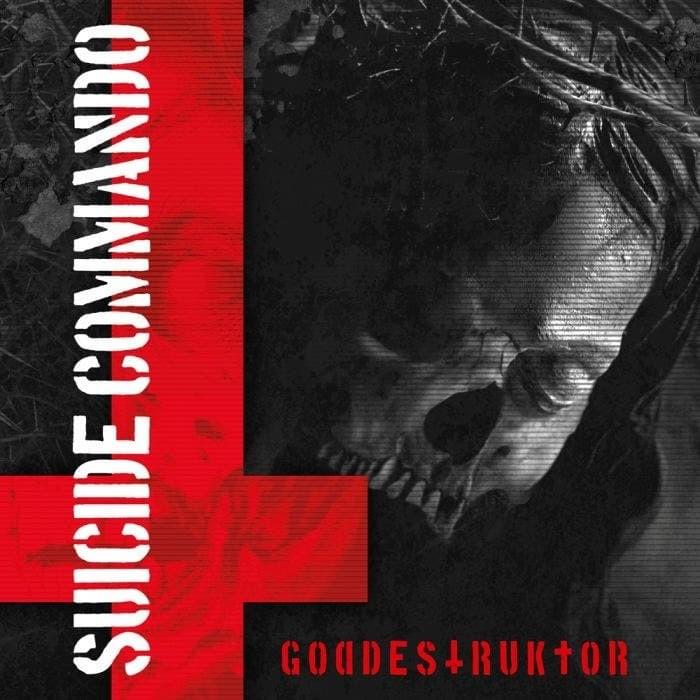
 View Artist