Song Meaning
The lyrics paint a raw picture of vulnerability and a desperate plea for connection, framed by a stark sense of exposure. The opening lines immediately establish a paradox: "I'm harmless, won't you help me?" followed by "I'm sickness, only you can heal." This sets up a core tension between a desire for safety and an admission of deep-seated brokenness that only another person can mend. The repeated assertion "I'm naked under my clothes" becomes a powerful metaphor for an internal state of being exposed, even when outwardly appearing covered or protected.
The central conflict seems to stem from a profound sense of isolation and unacknowledged pain. The narrator cries out, "My heart's bleeding, why don't you help me?" and "I'm screaming, but still nobody hears," highlighting a desperate need for validation and rescue that goes unmet. This feeling of being unheard amplifies the pervasive sense of helplessness, which is directly linked to the state of being "naked." The repetition of "Helpless and naked" underscores the overwhelming nature of this emotional condition, suggesting it's a constant, inescapable reality.
The lyrics employ a fascinating push-and-pull dynamic, revealing a more complex, even self-destructive, side to the narrator's vulnerability. The shift from "harmless" to "till I hate you" introduces an element of aggression or self-sabotage that complicates the plea for help. Similarly, being "tasteless" and "senseless" are presented as reasons for being with someone, suggesting a low self-worth that seeks external validation. The most striking craft element is the inversion of the "naked" metaphor: the narrator initially feels naked under their own clothes, but later, the shared experience becomes "Naked under our clothes," and finally, "We're all naked under our clothes." This suggests a potential for shared, mutual exposure and understanding, moving from individual shame to a collective human condition.
This lyrical construction is effective because it grounds abstract feelings of inadequacy and loneliness in concrete, visceral imagery. The stark, almost childlike repetition of "naked" and "helpless" bypasses intellectualization, hitting directly at a primal fear of exposure and rejection. The eventual broadening of the "nakedness" to a shared experience offers a glimmer of hope, implying that true connection might be found not in hiding flaws, but in acknowledging the universal vulnerability that lies beneath the surface for everyone.
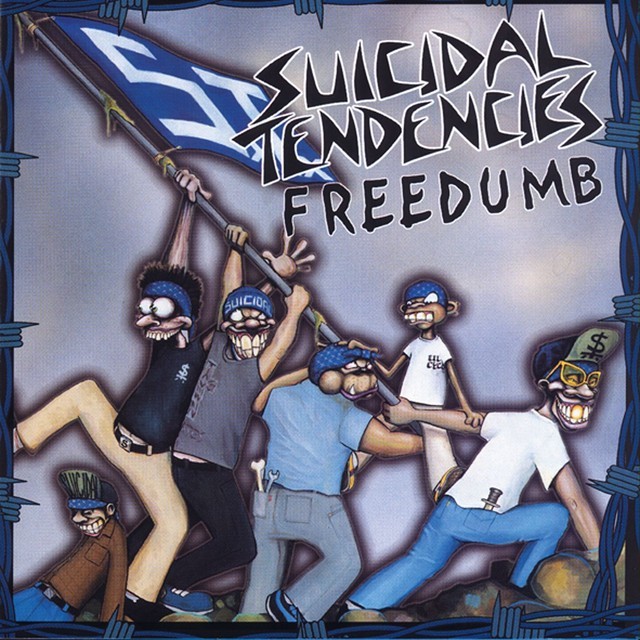
 View Artist