Song Meaning
The lyrics paint a stark picture of isolation and the quiet dread of aging alone. The opening lines establish a mood of detachment, with the narrator seemingly lost in thought, a cigarette burning, and a sense of emptiness in their chest. This isn't just a passing melancholy; it feels like a settled state, amplified by the presence of a "half-crazy cat," hinting at a life lived on the fringes of normalcy.
The core tension arises from the contrast between external signs of life and internal desolation. An "empty stage," a "dead book," and a "destroyed drawing" speak to creative or emotional stagnation. Yet, the "electric company" and "radio at full volume" suggest a desperate attempt to fill the silence, even if it's with noise that offers no real comfort. The "charity of others" and a "prison that isn't mine" further underscore a feeling of being adrift, disconnected from genuine human connection or agency.
The writing excels in its accumulation of desolate imagery, creating a palpable atmosphere of loneliness. The narrator anticipates a "fearless old age" and a "restful life," but these are juxtaposed with "agitated windows" and an "immobile bed," suggesting a restless spirit trapped in a static existence. The final chorus introduces a jarring shift: "a million hands applaud me," a "rumor of voices shouting," which seems to contradict the earlier solitude. However, this external validation is immediately undercut by the overwhelming presence of "your ghost above all," leading to the poignant conclusion that even in imagined acclaim, the deepest solitude is defined by the absence of a specific person.
This accumulation of bleak, yet specific, details makes the lyrics resonate. The effectiveness lies in how the seemingly mundane objects – a cigarette, a cat, a radio, newspapers – become potent symbols of a life winding down in isolation. The final image of a "ghost" is particularly powerful, suggesting that even as the narrator faces the prospect of being "alone," the true weight of that solitude is the memory of someone no longer present.
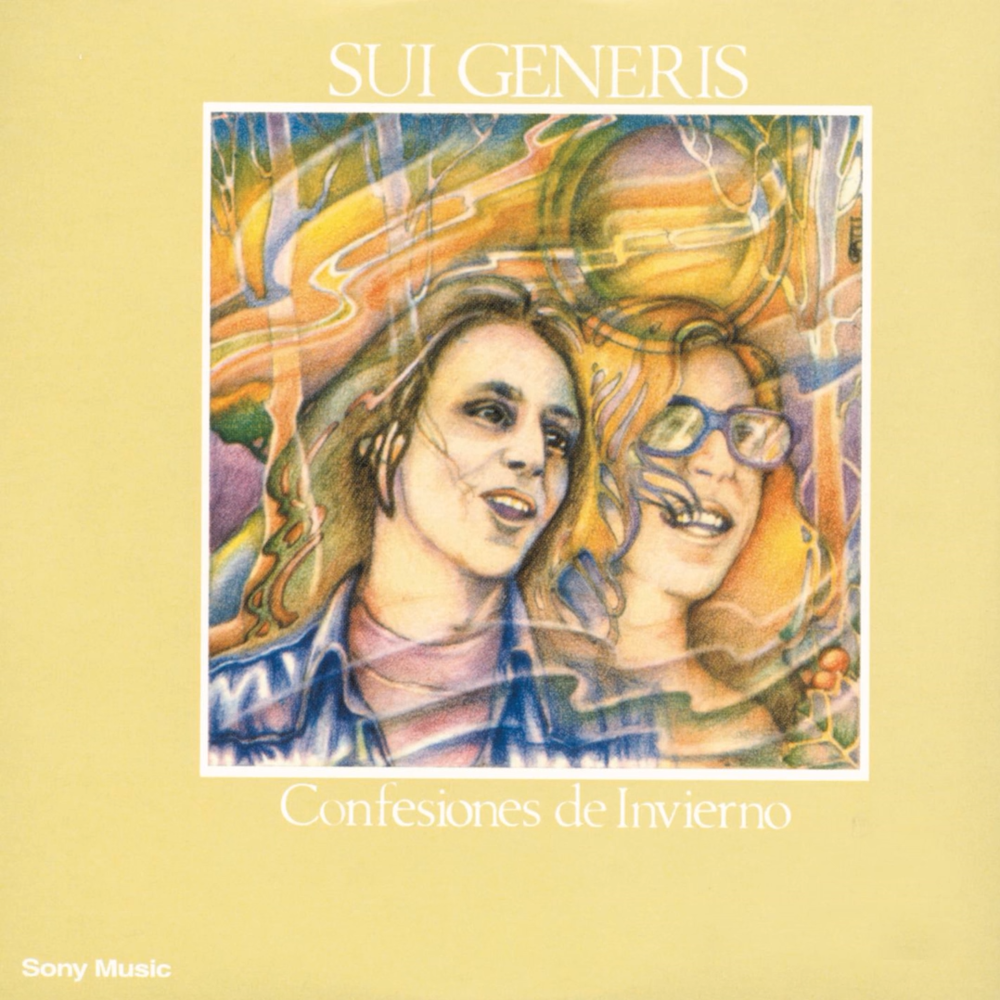
 View Artist