Song Meaning
This track opens with a stark declaration of learned behavior, a forced formality that feels like a personal concession. The narrator admits to a monthly haircut as a symbol of this compliance, but immediately pivots to a core rejection: "Es que nunca me gustó la sociedad." This sets up a central tension between external expectations and an intrinsic desire for authenticity and growth.
The lyrics articulate a yearning for direction and personal evolution, a refusal to stagnate. The imagery of "Viento del sur o lluvia de abril" suggests a desire to navigate any circumstance, but the crucial line is "No quiero estar sin poder crecer." This isn't just about survival; it's about a fundamental need for development, learning "las lecciones para ser" – the lessons required to truly become oneself.
A significant critique emerges regarding the narrator's past educators. These "maestros" are depicted as narrowly focused on their "ciencia y el deber," failing to impart genuine wisdom. The poignant observation that "Nadie se animó a decir una verdad" highlights a perceived lack of courage and honesty in traditional learning, suggesting that true learning requires a willingness to confront uncomfortable truths, a quality seemingly absent in these past figures.
The song shifts towards a hopeful, albeit grounded, vision of the future, centered on shared experience and legacy. The anticipation of a partner, a "casa pobre," and "años de aprender" together paints a picture of simple, profound connection. The arrival of a child is presented as the catalyst for fulfilling the remaining aspects of life, promising "nuevas respuestas para dar," suggesting that the lessons learned will ultimately lead to a richer, more complete existence passed down through generations.
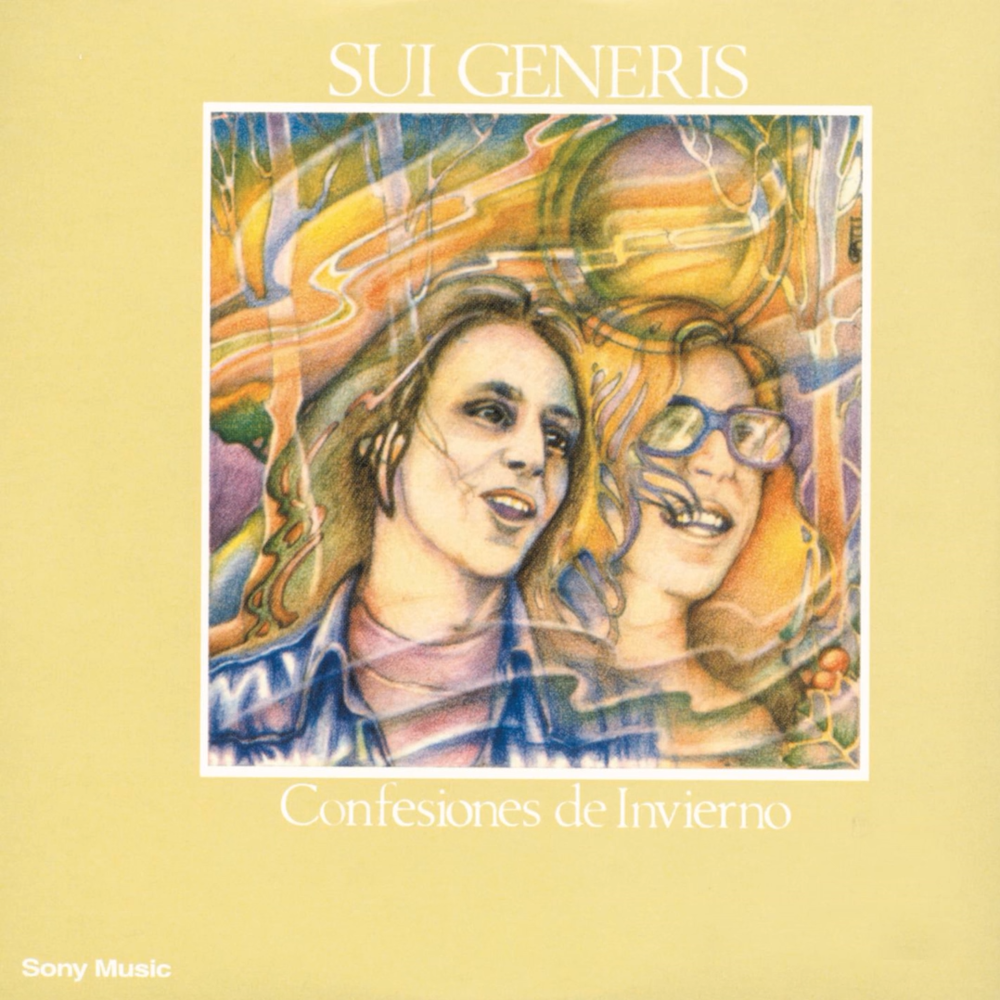
 View Artist