Song Meaning
The lyrics open with a dramatic plea to a doctor, detailing a litany of seemingly trivial complaints. From physical discomfort to consumer woes, the speaker frames every minor inconvenience as an unbearable "problem." There's an immediate sense of exaggerated distress, bordering on the absurd.
The core tension lies in the speaker's self-diagnosis: "I've become my own enemy." This internal conflict is ironically juxtaposed with complaints like a "bed's too hard" or feeling sick when playing video games. The lyrics paint a picture of someone overwhelmed not by genuine hardship, but by a constant state of dissatisfaction and self-inflicted woes, like being too tired to drink after a week of heavy consumption.
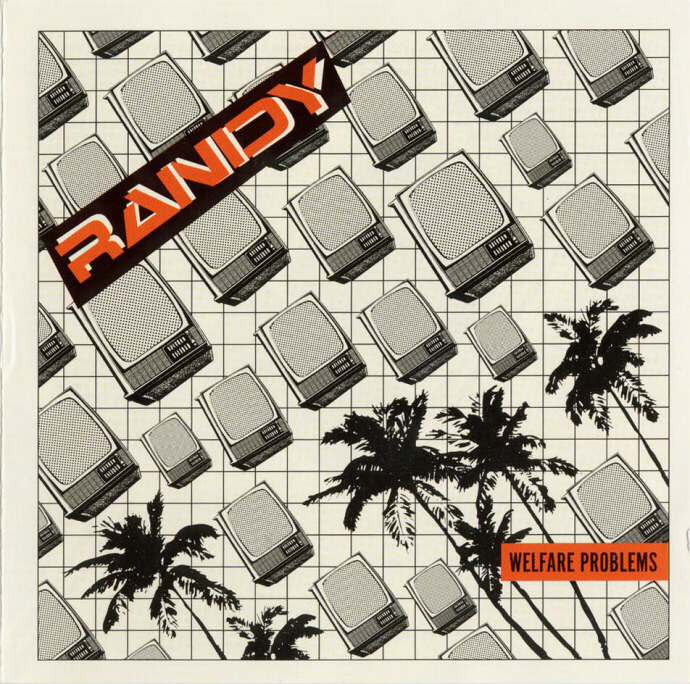
The most striking craft element is the ironic use of "welfare problems." This phrase, typically associated with severe economic hardship, is applied to a privileged list of grievances, creating a sharp, darkly comedic critique of modern malaise. This irony is further complicated by the sudden, repeated declaration: "And i can't get you out of my mind." This unexpected shift introduces an external "you," hinting that perhaps a deeper, unstated obsession or relationship issue underpins all the superficial complaints, or is simply another symptom of the speaker's chaotic mental state.
The lyrics' effectiveness stems from this precise blend of self-pitying humor and unsettling ambiguity. By presenting a character who equates a "stuck" credit card with a profound personal crisis, and then abruptly pivots to an unshakeable fixation on another person, the writing forces the listener to question the true nature of the speaker's distress. The final, bizarre images like "ate the snow" further amplify this sense of a mind unraveling, making the "welfare problems" feel less like a simple joke and more like a symptom of a deeper, perhaps self-destructive, internal chaos.
 View Artist