Song Meaning
The lyrics paint a picture of detachment and a struggle with a concept that feels both personal and elusive. The opening lines, "Watch the band through a bunch of dancers," immediately establish a sense of observing life from a distance, a spectator in a scene that's meant to be engaging. The repeated instruction, "Quickly, follow the unknown / With something more familiar," suggests an attempt to navigate uncertainty by clinging to the known, a strategy that feels more like a coping mechanism than genuine engagement. This sets a tone of hesitant forward motion, a desire to move but an inability to fully commit.
The core tension lies in the repeated assertion, "Courage, my word / It didn't come, it doesn't matter." This refrain highlights a profound disconnect between the ideal of courage and its actual presence. The narrator claims "Courage" as their word, yet immediately dismisses its absence as inconsequential. This paradox suggests a deep-seated resignation or perhaps a defense mechanism against the pain of its lack. The phrase "it doesn't matter" feels like a desperate attempt to control the narrative, to convince both themselves and an implied listener that the missing courage has no real impact, even as the lyrics imply otherwise.
The most striking aspect is the juxtaposition of external observation with internal resignation. The narrator is "sleepwalk[ing]" through life, finding a strange comfort in a "motel that has the lay of home," a place that offers a false sense of familiarity while simultaneously encouraging them to "piss on all your surroundings." This imagery points to a deliberate rejection of context and a comfort found in a state of suspended animation. The repetition of "Courage, my word / It didn't come, it doesn't matter" amplifies this feeling of a broken promise, a word that was supposed to be theirs but never materialized, and whose absence is now being downplayed.
Ultimately, the effectiveness of these lyrics stems from their raw portrayal of internal conflict and the quiet despair of unfulfilled potential. The repeated, almost mantra-like, dismissal of courage's absence creates a palpable sense of emotional weight. The lyrics don't offer solutions or grand pronouncements; instead, they capture the feeling of being stuck, of acknowledging a vital missing piece while simultaneously trying to convince oneself that its absence is survivable, even if it's "under pressure."
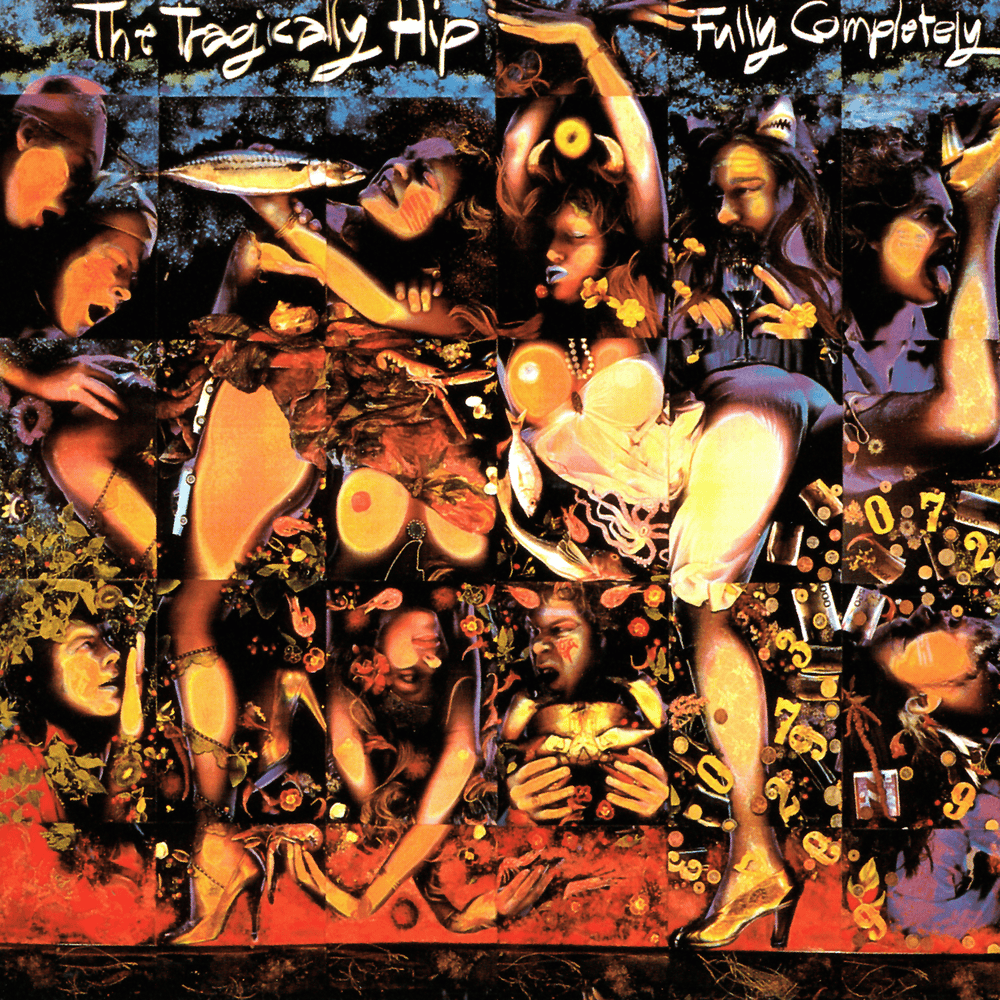
 View Artist