Song Meaning
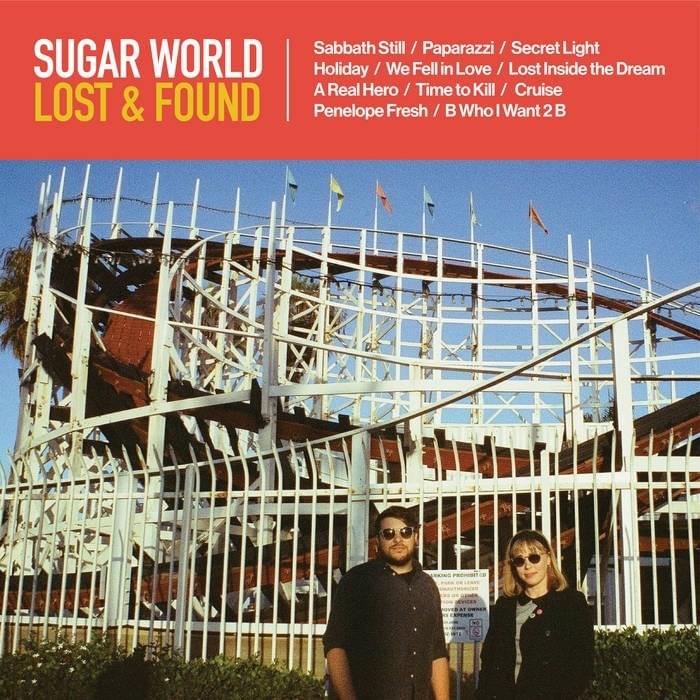
The lyrics paint a picture of arrested development, a narrator stuck in a loop of youthful anxieties and unfulfilled desires. The opening lines juxtapose the mundane reality of "Christians in minivans" with a rebellious "Rock & roll," suggesting a yearning for something more vibrant, even if that rebellion is ultimately expressed through the innocent act of drawing with crayons. This sets up a core tension between the perceived normalcy of the world and the narrator's internal, perhaps immature, response to it.
The central conflict seems to stem from a profound sense of disorientation and regret. Phrases like "I think I lost the plot" and "Sabbath still what I forgot" point to a feeling of being adrift, unable to grasp present realities or recall past intentions. This disorientation is amplified by a pervasive envy, "Envious of everything I'm not," which paralyzes any attempt at contentment with the present, leaving the narrator "Adjacent to what I want" but never quite there.
The craft here hinges on sharp, almost jarring contrasts and a recurring motif of lost direction. The shift from the adolescent awkwardness of "Teenage wallflowerdom" to the crude physicality of "Sour stomach, early cum" is stark, highlighting a difficult transition. Later, the idea that "Rock & roll was just a joke" and its "punchline was / The saddest thing you wrote" suggests a disillusionment with past aspirations, further cementing the feeling of having lost one's way.
Ultimately, the effectiveness of these lyrics lies in their raw, unflinching portrayal of internal struggle. The repeated assertion of having "lost the plot" acts as a desperate, almost bewildered confession. It resonates because it captures that universal, unsettling feeling of being overwhelmed by life's complexities, unable to find solid ground or a clear path forward, leaving the present perpetually overshadowed by what might have been or what could be.
 View Artist