Song Meaning
The lyrics paint a picture of someone retreating inward, shutting out external judgment and connection. The opening lines, "Close the curtains and dim the lights," immediately establish a private, almost performative space. The narrator seems to be observing or addressing someone else, urging them not to be offended by "her faith tonight," suggesting a personal belief system or a chosen way of being that might be unconventional or isolating. This sets the stage for a focus on internal experience, where "she is the centre of her rage."
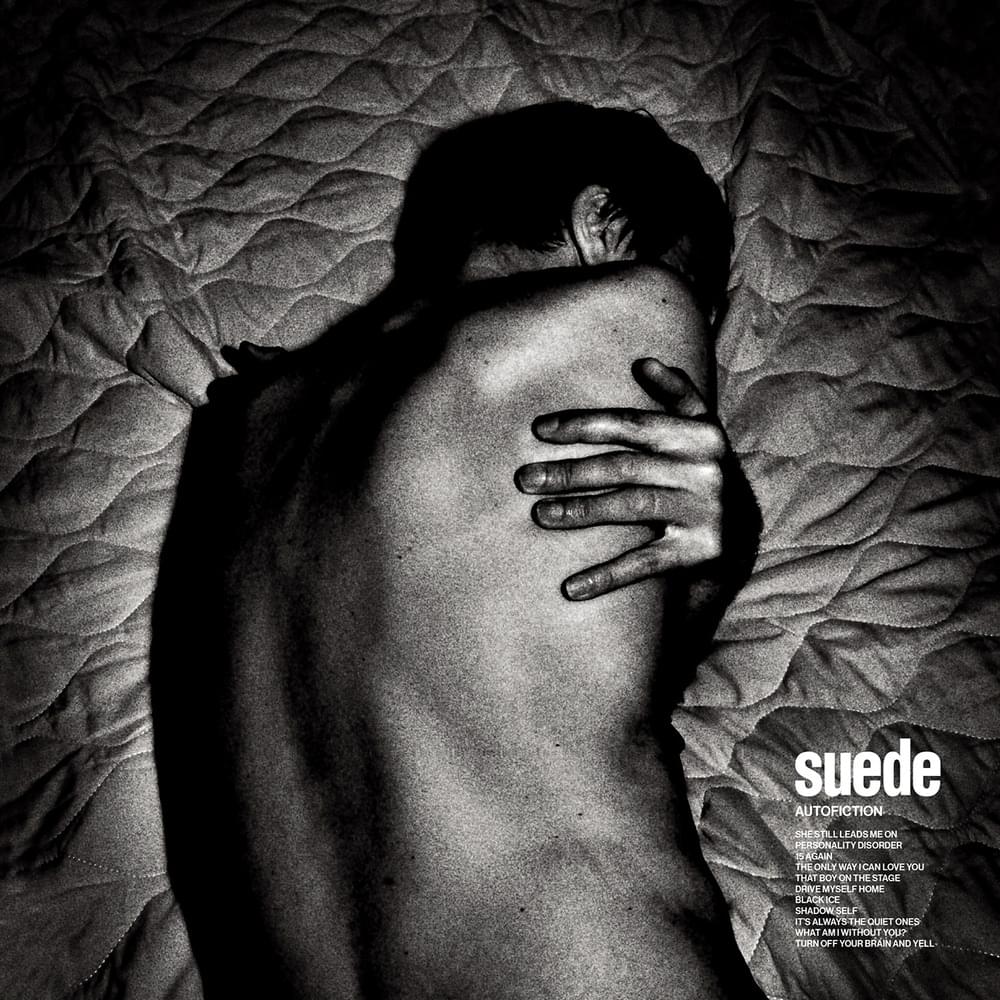
The core tension lies in the defiant embrace of solitude, articulated in the repeated chorus: "Shut up, she said, I don't want nobody." This isn't just about rejecting others; it's about actively choosing a solitary companion. The phrase "I'll dance with my shadow self" is striking, implying a deep, perhaps even intimate, relationship with an internal, unacknowledged part of oneself. This "shadow self" seems to be the only entity the narrator wishes to engage with, suggesting a profound self-sufficiency or a deliberate withdrawal from the complexities of interpersonal relationships.
The lyrics employ a stark contrast between the external world and the internal one. In Verse 2, the narrator dismisses external opinions with "It doesn't matter what you think," and a chilling observation: "When you're not a person, you're just a thing." This dehumanization of others highlights the narrator's detachment. The shift from "her rage" in Verse 1 to "our rage" in Verse 2 suggests a potential broadening of this internal focus, or perhaps a shared experience of this intense, self-contained emotion. The line "We have time tomorrow, 'cause we have found today" further emphasizes a present-moment immersion, detached from future obligations or past regrets.
This song's power comes from its unflinching portrayal of self-reliance, even to the point of isolation. The repeated, almost mantra-like chorus creates a sense of determined finality. By choosing to "dance with my shadow self," the narrator isn't necessarily expressing happiness, but rather a resolute acceptance of their internal world as their sole domain. It's the stark, almost confrontational declaration of independence from external validation that makes these lyrics resonate, capturing a specific, potent form of emotional self-containment.
 View Artist