Song Meaning
The lyrics paint a stark picture of transience and the futility of effort in a world where everything feels fleeting. The opening lines establish a tone of profound disillusionment, suggesting that even significant events or losses are as inconsequential as a single leaf falling from a tired bush. This sense of insignificance is amplified by the idea that present cries are forgotten tomorrow, and the narrator's own life story might go unread, underscoring a feeling of being overlooked and ultimately erased by time.
The central tension arises from the relentless march of time, personified by the clock's hand that "never arrives." This ticking clock dictates a rigid plan, yet the narrator's actions are ultimately meaningless against its unstoppable progression. The repeated, urgent cry of "zu spät, zu spät, zu spät!" (too late, too late, too late!) becomes a desperate refrain, highlighting an overwhelming sense of missed opportunities and an inability to escape a predetermined, unfavorable fate.
The imagery of natural decay and erosion—mountains worn down by rain, grass growing in ruins, and the inevitable sinking into the "shadow realm"—reinforces the theme of universal decline. The lyrics contrast the fleeting beauty of a "white body, so tender and soft" with the inescapable end awaiting it, suggesting that even the most precious aspects of existence are subject to this pervasive dissolution. This relentless cycle of decay offers the narrator only a brief time filled with hardship and wandering.
Ultimately, the effectiveness of these lyrics lies in their unflinching portrayal of existential dread and the crushing weight of time. The stark, almost bleak imagery, combined with the insistent, repetitive warning of being "too late," creates a powerful emotional resonance. The writing doesn't offer comfort but rather confronts the listener with the profound sense of impermanence and the quiet desperation of a life lived against an indifferent, ever-advancing clock.
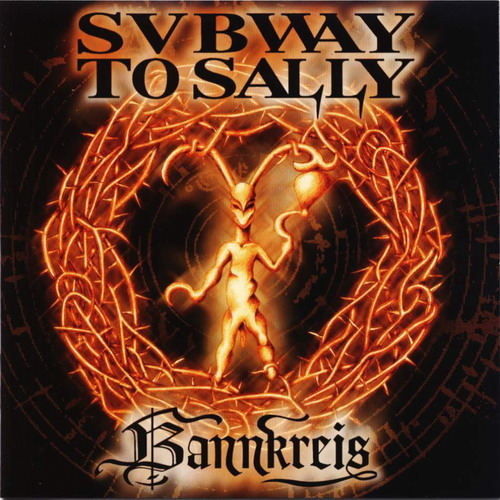
 View Artist