Song Meaning
These lyrics paint a stark portrait of a life marked by an inescapable sense of loss and predetermined misfortune. The narrator immediately establishes a core wound: their mother's silence regarding their father. This foundational absence appears to ripple through every aspect of their existence, creating a profound sense of alienation.
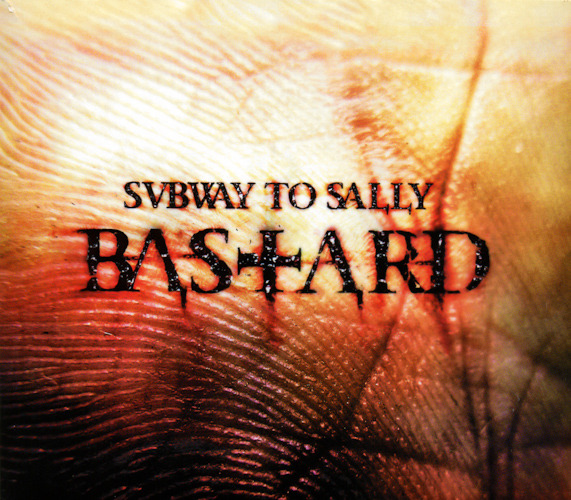
The central tension arises from this inherited void. The narrator describes feeling "fremd daheim" (a stranger at home) after their mother brought "Fremden" (strangers) into the house, suggesting a betrayal that solidified their outsider status. This feeling culminates in the blunt self-identification as a "Bastardsohn" (bastard son), a label that, for the narrator, negates any need for external prophecy. They declare that it's not "in den Sternen" (in the stars) who brought them misfortune, implying a known, tangible source rooted in their origins.
The craft here is particularly potent in its use of stark contrasts and melancholic imagery. While others' "Gestirne leuchten" (stars shine), the narrator's "längst verglüht" (have long since burned out), a powerful visual metaphor for extinguished hope. This sense of premature decay is reinforced by the feeling of a "nacktes Leben" (naked life) that has already "verblüht" (withered). The language is direct, almost resigned, emphasizing an unalterable fate.
Ultimately, these lyrics hit hard because they articulate a deep, personal fatalism that isn't about an unknown future, but about an inherited past. The final lines, connecting a lost "Heimat" (homeland) to something that "steht es in meinem Blut" (stands in my blood), suggest that this misfortune is not merely circumstantial but an inherent part of their very being. It's a powerful statement on how origins can define, and perhaps doom, a life.
 View Artist