Song Meaning
The lyrics paint a stark picture of a speaker already entombed, finding a "secret hiding place" deep beneath the earth for their coffin. This isn't a place of peace, but one of decay, where worms bore through the wood and the land gnaws at the lid. The narrator stares through cracks, feeling their body disintegrate into sand, a visceral image of physical dissolution. This morbid setting is framed by an obsessive, repeated waiting for someone.
The central tension lies in this relentless anticipation from a state of utter physical decay. The speaker is not merely dead but actively decomposing, yet their consciousness seems fixated on the arrival of another person. The "marble block on my head" suggests a crushing weight, a hundredfold suffering, while thistles and grass sprout from their insides, emphasizing a grotesque fusion with the earth. This waiting, however, is not for solace but seems to be a continuation of a profound, perhaps painful, connection.
The most striking aspect is the juxtaposition of extreme physical decomposition with an unwavering, almost desperate, act of waiting. The repetition of "Ich warte auf dich" (I wait for you) becomes a mantra, a desperate plea echoing from the grave. The final Latin phrases, "Mors est quies viatoris / Finis est omnis laboris / Mors est quies" (Death is the traveler's rest / The end of all labor / Death is rest), offer a stark contrast to the speaker's internal state. While the world outside the grave might see death as rest, this speaker finds only an agonizing, expectant stillness.
This lyrical construction is effective because it forces the listener to confront the raw physicality of death and the enduring power of human connection, or perhaps obsession, even in the face of absolute finality. The imagery of decay is unflinching, making the persistent waiting feel all the more poignant and unsettling. It suggests that for this speaker, even the grave is not an end, but a stage for an unresolved emotional drama.
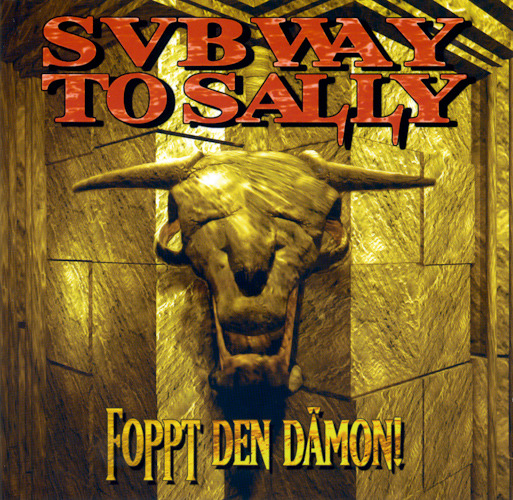
 View Artist