Song Meaning
The lyrics plunge us into a stark, almost apocalyptic landscape. We're climbing a "mountain of hatred," facing a "divide of the fated." Amidst the clamor of "battle horns cry," a profound spiritual counterpoint emerges. It's a moment of intense external conflict met with an unexpected internal resonance.
The central tension here is palpable: a world consumed by conflict and predetermined struggle. The imagery of a "mountain of hatred" and a "divide of the fated" paints a picture of overwhelming, almost insurmountable challenges. Yet, precisely at the peak of this turmoil, as "battle horns cry," the lyrics introduce a striking counterpoint. It's not a call to arms, but a deeper, more resonant "call of the sacred" that cuts through the noise.
The power of these lyrics lies in their stark juxtaposition and insistent repetition. The core couplet, where the battle's clamor gives way to the sacred call, isn't just stated once; it's echoed, making the spiritual awakening feel undeniable. This deliberate pairing of worldly strife with a transcendent summons suggests that true guidance or meaning often reveals itself in the direst moments. The final, isolated "The call of the sacred" leaves the listener with a lingering sense of profound, almost mystical purpose.
Ultimately, these lyrics are effective because they tap into a universal human experience: finding solace or direction amidst chaos. They suggest that even when confronted by overwhelming "hatred" and a seemingly "fated" path, there's an inherent, sacred wisdom that can be perceived. The brevity and directness of the language amplify this message, making the "call" feel urgent and deeply personal, despite the epic scale of the conflict. It's a powerful statement about resilience and the enduring search for meaning beyond the immediate struggle.
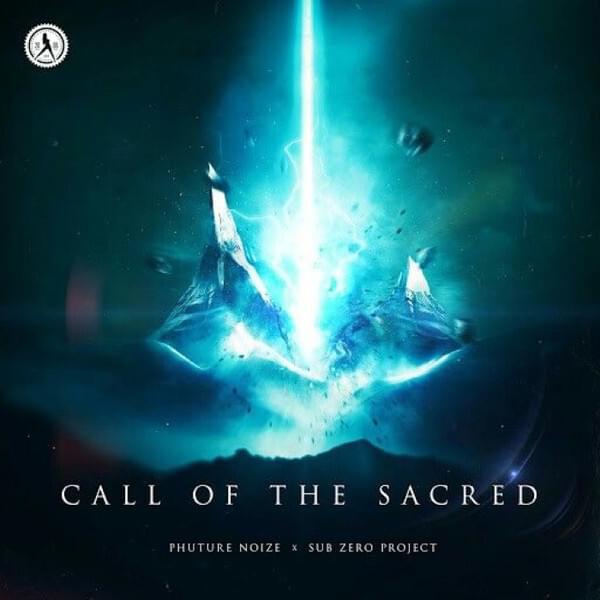
 View Artist