Song Meaning
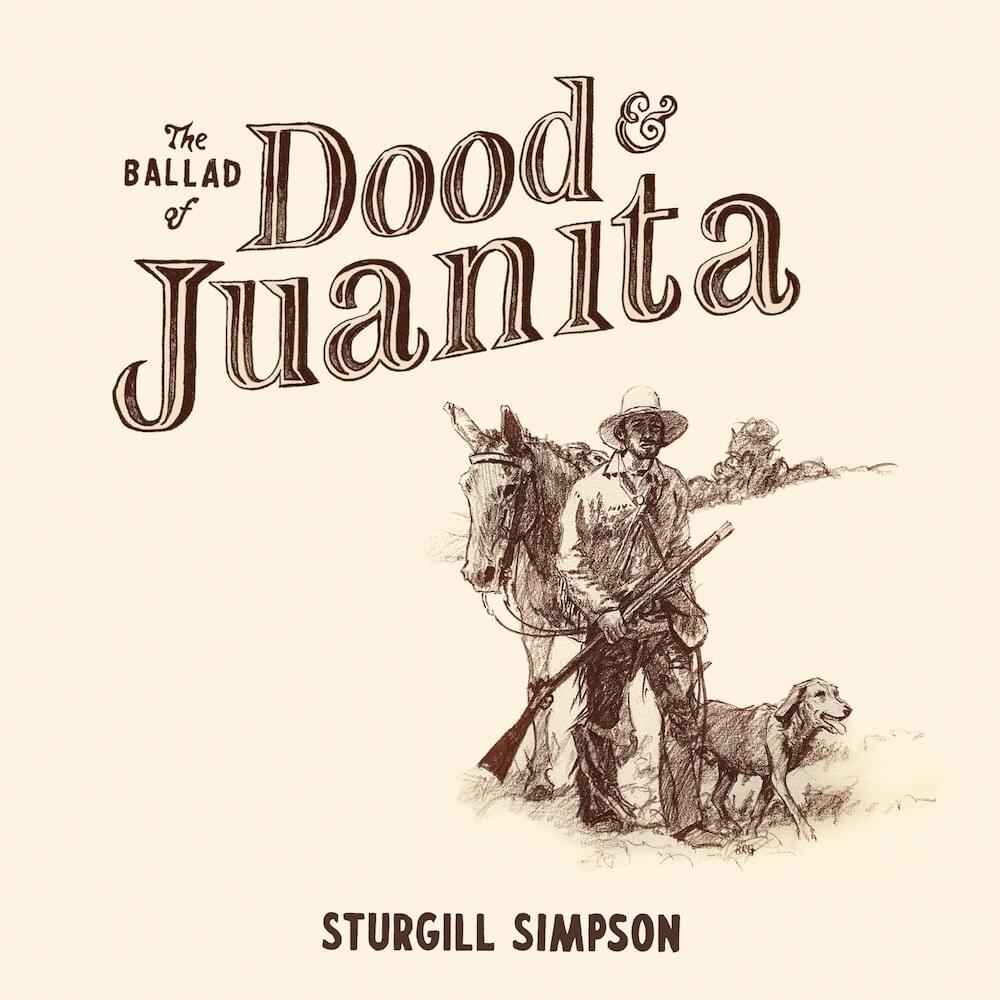
Sturgill Simpson's "Prologue" isn't just an intro; it's a gauntlet thrown down, a promise of something ancient and raw. It's a deliberate step back in time, not just in narrative but in feeling, evoking the oral tradition of Appalachian storytelling. The song meaning resides in its invocation of archetypes: Dood, the "mighty mountain man," and Juanita, his "one true love," immediately establish a landscape of rugged individualism and romantic devotion, setting the stage for a ballad steeped in the lore of the Kentucky hills. It's a setup thick with whiskey fumes and gunpowder, hinting at a world where survival hinges on a man's grit and the strength of his bond. Simpson uses a simple, almost childlike rhythm to deliver the lyrics, a storybook approach that belies the heavy themes to come.
The lyrics analysis reveals more than just a historical setting; it suggests a deeper exploration of masculine identity and the primal connection to the land. Dood, with his "blade and powder can," embodies a self-sufficient, almost mythic figure, a man defined by his ability to provide and protect. Juanita, as his dove, represents not only love but also a vulnerability that relies on Dood's strength. The reference to "hiding stills" roots the narrative in a specific time and place, hinting at the outlaw spirit and the struggles against authority that characterized the era. This isn't just a love story; it's a story of survival, defiance, and the enduring power of human connection in the face of adversity.
Ultimately, "Prologue" acts as a portal, transporting the listener to a world where the stakes are high and the lines between right and wrong are blurred. It's a masterclass in setting tone and establishing character, promising a narrative that will delve into the complexities of love, loss, and the enduring human spirit. Simpson isn't just singing a song; he's weaving a tapestry of folklore and emotion, inviting us to lose ourselves in the echoes of a bygone era. The very traditional style of the lyrical introduction highlights the timeless nature of the song's themes.
 View Artist