Song Meaning
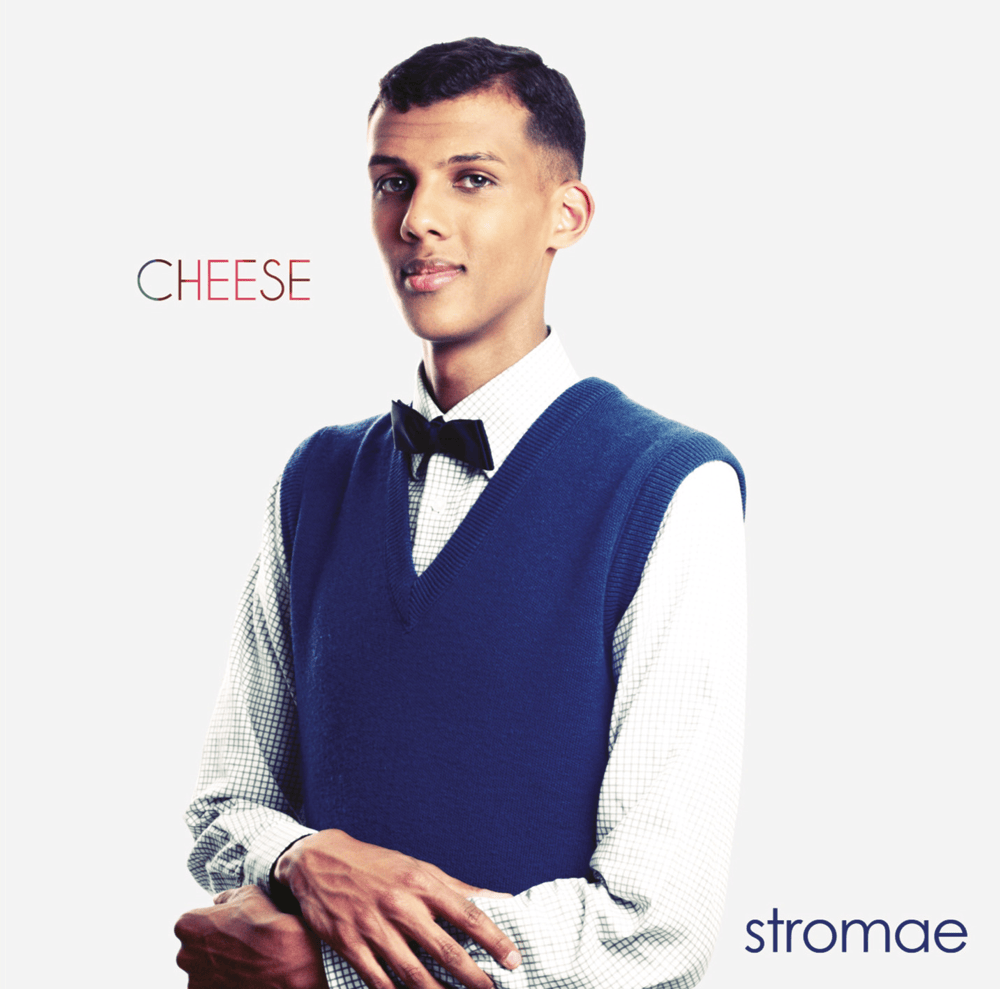
Stromae's "Cheese" isn't just a catchy tune; it's a tightly wound critique of forced smiles and manufactured happiness. The song, built around the simple act of saying "cheese" for a photograph, unpacks the layers of social expectation and the pressure to present a perpetually cheerful facade, even when genuine emotion is absent. It's a sentiment that resonates deeply in a culture saturated with curated online personas and the relentless pursuit of likes and validation. The line "Vas-y dis 'Cheese', allez dis 'Cheese' / Pour le cliché, un peu pour s'cacher" encapsulates this perfectly; the act of smiling becomes a mask, a way to conceal authentic feelings. The artist acknowledges the societal pressure to conform to this charade, particularly from a young age, as he sings about not understanding this expectation since childhood. He sees adults as 'marchands d'sable' (sand merchants) who promise the moon without knowing the earth, disillusioned and superficial.
Beneath the surface of "Cheese" lies a deeper exploration of grief and the human need to find genuine moments of joy amidst pain. Stromae juxtaposes the forced smile with a yearning for authentic laughter, stating, "J'veux mourir de rire moi, mais sans sourire jaune" ("I want to die of laughter, but without a yellow smile"). This isn't a rejection of happiness, but a plea for it to be real, earned, and not a mere performance. The reference to celebrating the dead further underscores this tension between outward appearances and inward realities. The act of smiling becomes a coping mechanism, a way to navigate the world while masking profound sadness.
The repeated phrase "Je souris, je sourirai, j'ai souri" ("I smile, I will smile, I smiled") takes on a haunting quality as the song progresses. It's not a declaration of joy, but a mantra, a forced affirmation in the face of overwhelming pressure. In this context, “Cheese” becomes a darkly ironic commentary on the commodification of happiness and the psychological toll of living in a world that often demands a smile, regardless of the circumstances. Stromae uses the simple, almost banal act of saying “cheese” to expose the complex and often contradictory demands of modern society.
 View Artist