Song Meaning
Wise men might caution against haste, but the narrator finds themselves swept away by an undeniable force. The opening lines establish a conflict between received wisdom and personal experience. This isn't a calculated decision; it's an involuntary surrender to a powerful emotion. The repeated phrase "I can't help" underscores this lack of control, framing the love as something that happens *to* the narrator rather than something they actively choose.
The central tension lies in the struggle between societal prudence and the overwhelming nature of this new affection. The narrator questions whether staying in this burgeoning love is even permissible, asking, "Would it be a sin?" This suggests a fear of transgression, a worry that this feeling might be inappropriate or ill-advised according to some external standard. Yet, the compulsion to love overrides these doubts, creating a compelling internal conflict.
The lyrics employ a beautiful, natural metaphor to convey the inevitability of this love. The comparison to a river flowing to the sea, "Darling, so it goes," presents the feeling as a natural, predetermined phenomenon. This imagery suggests that some connections are simply meant to be, transcending rational thought or cautious advice. The repetition of this stanza reinforces the idea that this love is as natural and unstoppable as a force of nature.
Ultimately, the effectiveness of these lyrics stems from their simple, direct expression of a profound, involuntary emotional state. The narrator's plea, "Take my hand, Take my whole life too," is a complete offering, born from the recognition that this love is beyond their ability to resist. It’s this surrender, framed by the contrast between wise counsel and natural inclination, that makes the song resonate so deeply.
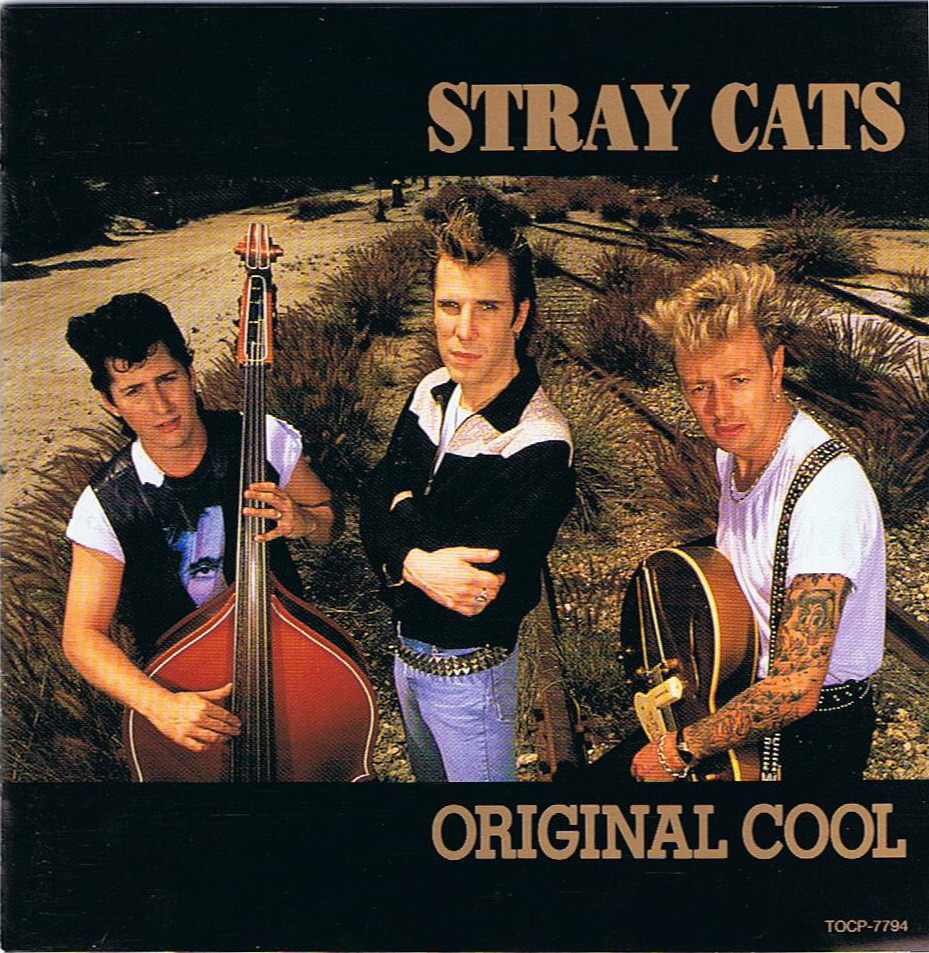
 View Artist