Song Meaning
The lyrics paint a stark picture of a relationship's dissolution, focusing on the quiet, drawn-out ache of separation. The repeated phrase "two separate people" acts like a refrain, hammering home the growing distance. It's not a dramatic breakup, but a slow, almost mundane divergence, where "too many hours" stretch into "long and lonely days." This emphasizes the passive nature of their parting; they didn't necessarily fight, they just "drifted apart."
The central tension lies in the acknowledgment of divergent paths and perspectives. The lines "two points of view / The woman's, the man's" highlight the communication breakdown that often accompanies such separations. It suggests that their individual realities have become so distinct that bridging the gap is nearly impossible, leading to a "false start" rather than a shared future. This isn't about blame, but about the simple, sad fact of growing apart.
The most striking aspect is the shift in the final verse. The initial verses focus on the emotional void and differing perspectives, but the ending introduces a pragmatic, almost jarring consequence: "too many kids / And not enough wives." This injects a dose of harsh reality, implying that their separation has tangible, perhaps unintended, repercussions beyond their personal feelings. It’s a stark contrast to the earlier, more melancholic tone, suggesting that the consequences of their "separate lives" are more complex and societal than initially presented.
Ultimately, the effectiveness of these lyrics comes from their understated portrayal of a common, painful experience. The repetition of "two separate people" creates a sense of inevitability, while the final, unexpected line about children and wives grounds the emotional narrative in a concrete, almost bleak, reality. It’s this blend of quiet sadness and blunt consequence that makes the song resonate, capturing the often-unspoken difficulties of relationships that falter.
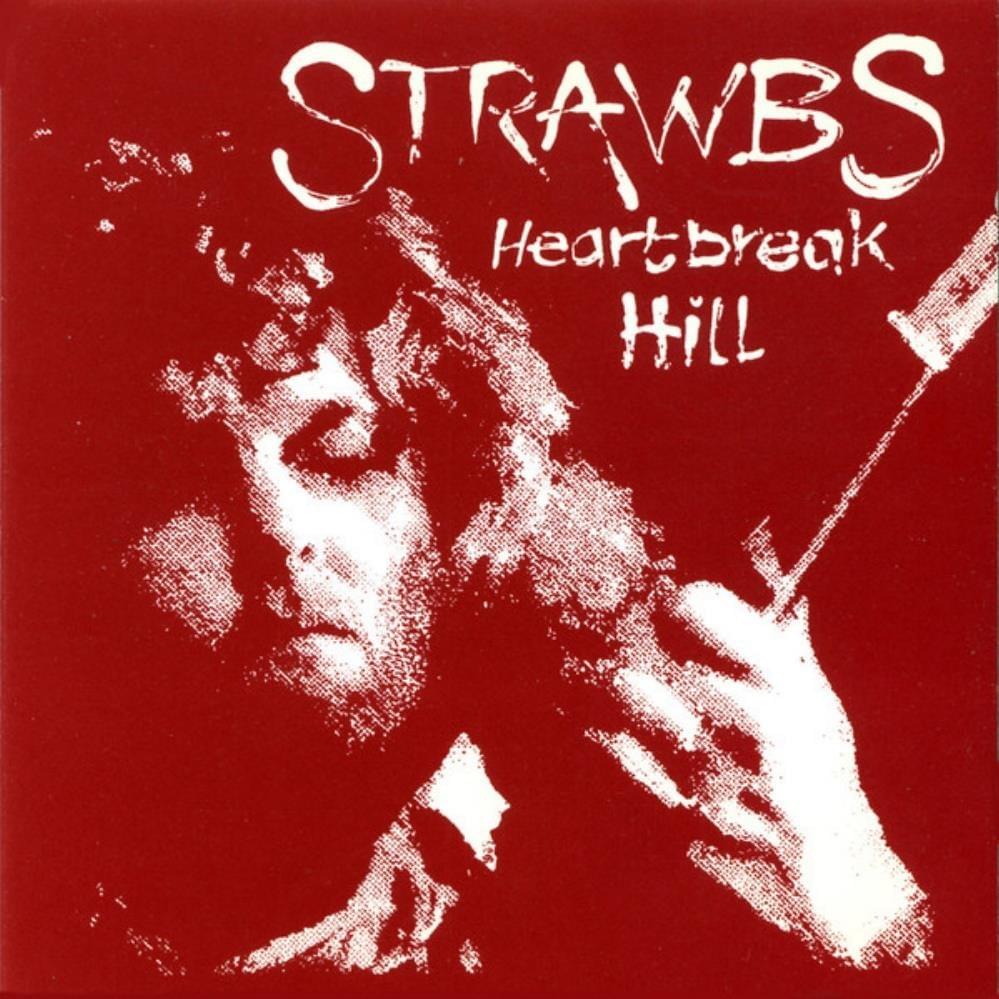
 View Artist