Song Meaning
The narrator pleads for a lover to remain, framing their departure as an inevitable loss in a game they can't win. The dominant tone is a desperate longing, a quiet ache for companionship that feels perpetually out of reach. The immediate image is one of transience: "No sooner are you here than gone again," establishing a cycle of hope and disappointment. This sets up the central question: can anything be said or done to alter this pattern and secure a moment of permanence?
The core tension lies in the narrator's perceived inadequacy and the lover's apparent indifference. The narrator admits, "there's nothing I can give as you can see," highlighting a deep insecurity about their own value or ability to satisfy the lover. This self-deprecation fuels the plea, making the request to "stay awhile" feel less like a demand and more like a fragile hope against overwhelming odds. The narrator seems to believe they have nothing to offer but their own company and a desire for connection.
The lyrics employ a simple, almost childlike directness, yet it’s underscored by a touch of romantic fatalism. The imagery of the "crystal ball" suggests a futile attempt to divine the future or the lover's thoughts, only to find no answers. Later, the "street lamp's rusty gleam" offers a more grounded, yet still slightly magical, setting for the final plea. The offer to "lock the door and throw away the key" is a powerful, albeit desperate, gesture of commitment, suggesting a desire to create an isolated, protected space for just the two of them, free from external pressures or the possibility of further separation.
This song resonates because of its raw vulnerability and the relatable fear of abandonment. The narrator isn't presenting a grand romance, but a simple, profound need for presence. The repeated, almost mantra-like refrain of "Stay awhile with me" emphasizes the singular focus of their desire. It’s the quiet desperation in admitting they have nothing to offer but themselves, and the hope that this might somehow be enough, that makes the plea so poignant.
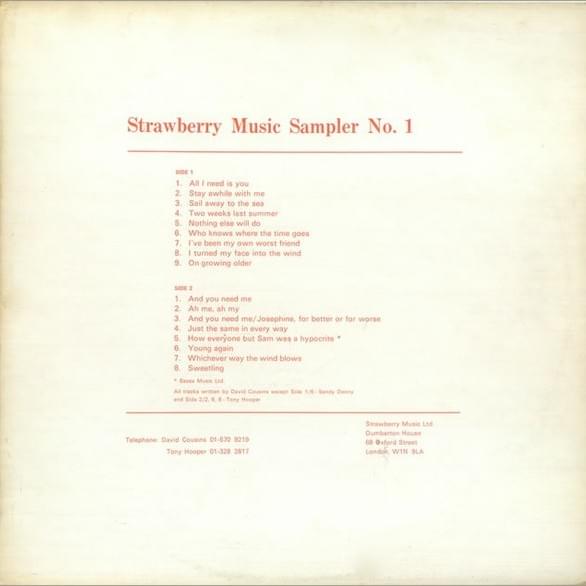
 View Artist