Song Meaning
The lyrics paint a stark picture of isolation and despair, centered around a profound sense of absence. The narrator is trapped in a suffocating stillness, marked by physical neglect – an overflowing ashtray, a phone off the hook, drawn curtains – and a mental paralysis that prevents even basic engagement with a book. This inertia is not peaceful but agonizing, a desperate waiting punctuated by the relentless ticking of a watch, which itself amplifies the overwhelming silence. The dominant mood is one of deep, consuming need, a raw ache for a missing presence.
The core tension lies in the narrator's desperate longing versus the crushing reality of their friend's absence. The repeated, almost mantra-like "How I need you / Now" underscores an immediate, urgent craving that is met only by the passage of time and the deepening of despair. The lyrics suggest this isn't a fleeting sadness but a profound, destabilizing force, making the world itself seem to warp and close in, as indicated by the "ceiling and the walls close in" and the "gaslit streets lean slowly."
The craft here leans heavily on sensory details that evoke a sense of decay and disorientation. The "hollow sound" of the ticking watch becomes a metaphor for the "silence of a tomb," a chilling comparison that highlights the life-draining nature of this loneliness. Later, the physical act of filling and flinging a "broken glass" speaks to a destructive impulse born from this profound emptiness, a desperate, futile attempt to break the suffocating cycle of waiting and needing.
Ultimately, the effectiveness of these lyrics stems from their unflinching portrayal of a specific kind of grief – one that paralyzes action and distorts perception. The simple, direct language, particularly the insistent repetition of need, bypasses complex metaphor to hit with visceral force. It captures that raw, exposed feeling when a void opens up, leaving the narrator adrift in a world that feels both too loud and utterly silent.
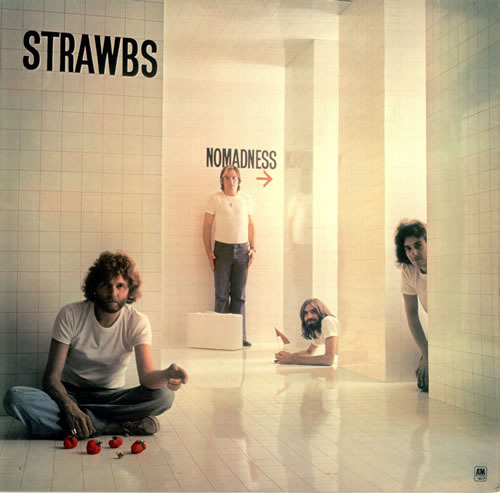
 View Artist