Song Meaning
The song opens with a moment of obscured vision, a "purple mist" hiding a familiar face, creating an immediate sense of unease. This initial haze slowly dissipates, allowing clarity to emerge, but the clarity is strange, framed by "sunny cellophane skies." This juxtaposition suggests a superficial brightness that doesn't quite feel real, a manufactured or fragile sense of optimism.
The core tension arises from the contrast between the dazzling, almost artificial sky and the profound sense of loss articulated in the bridge. The narrator grapples with the absence of a significant person, declaring, "Now your life has gone / In this world, I don't belong." This profound loneliness clashes with the repeated, almost hypnotic chorus, creating a disorienting emotional landscape where external beauty feels hollow against internal desolation.
The most striking craft element is the recurring image of "sunny cellophane skies." The word "cellophane" implies something transparent yet artificial, a thin, crinkly barrier that distorts or cheapens what it covers. This isn't natural sunlight; it's a manufactured sheen, a fragile facade. The "silver writing my eyes" further emphasizes this artificiality, suggesting a dazzling but perhaps overwhelming or even damaging clarity that feels imposed rather than organic.
This lyrical construction is effective because it captures a specific kind of post-loss disorientation. The narrator is bombarded with a bright, almost aggressive external reality – the "sunny cellophane skies" – while simultaneously experiencing a deep internal void. The repetition of the chorus, despite the bleakness of the bridge, highlights a desperate attempt to cling to positive sensations, even if they feel unreal, as a coping mechanism against the overwhelming reality of being "all alone."
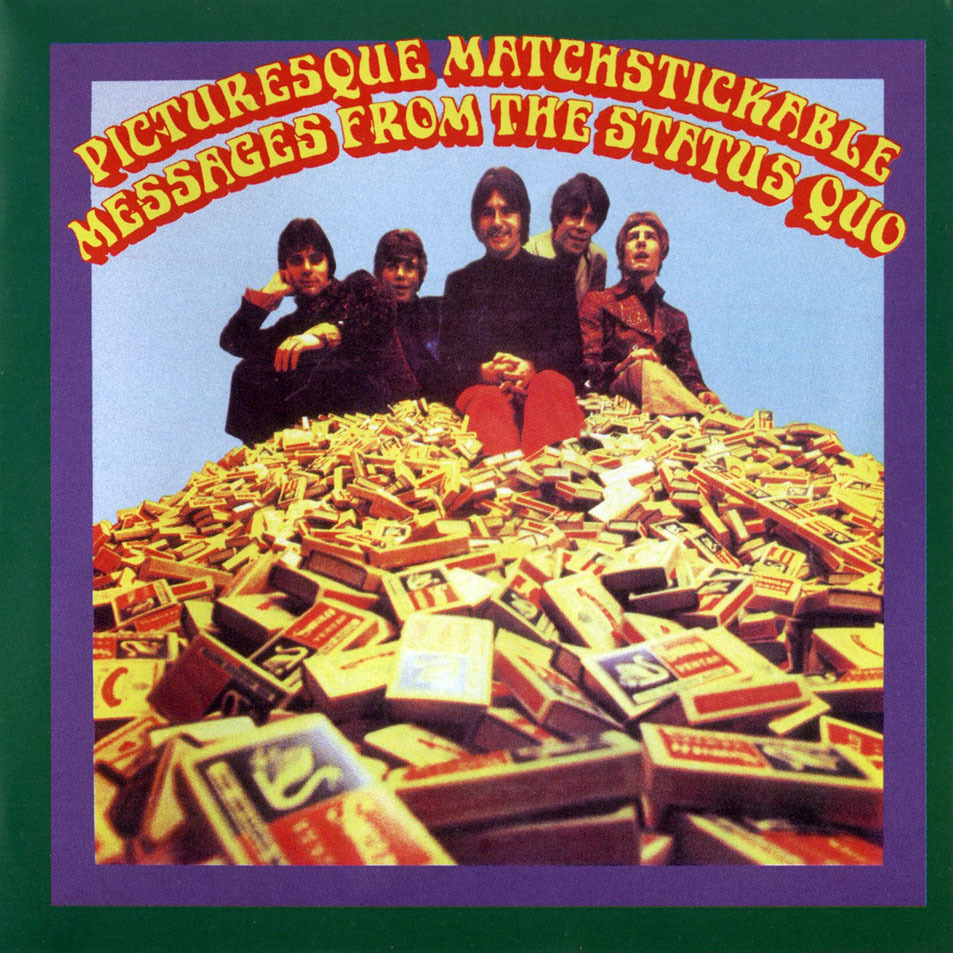
 View Artist