Song Meaning
The lyrics paint a picture of profound stagnation and emotional lowliness, where even the natural flow of things, represented by boats on a river, has ceased. The narrator feels stuck, hoping their internal struggle isn't outwardly apparent, but the repeated phrase "When I'm low" underscores a persistent, heavy mood. This sense of being grounded and unable to move forward is palpable from the start.
The central tension lies in the contrast between a desire for change and the reality of immobility. The narrator wishes for external forces, like the wind, to provide momentum, but they "never go." Even the initial hope of seeing the sunrise is fleeting, suggesting that positive moments are short-lived and insufficient to break the cycle of feeling "low." This yearning for a stronger push, a catalyst for movement, is a core element.
The most striking craft element is the recurring motif of tears and washing. The idea that "We could wash the way clear / To let me through" is a poignant, almost desperate image. It suggests that the only potential path forward, the only way to overcome this blockage, might be through shared sorrow or cathartic release. The repetition of "Let me through" in the outro amplifies this plea for passage and escape from the stagnant state.
These lyrics resonate because they capture the feeling of being trapped in a low emotional state, where even the simplest progress feels impossible. The writing grounds this abstract feeling in concrete images like unmoving boats and a wish for wind, making the internal struggle relatable. The hopeful, yet melancholic, refrain "Maybe tomorrow / We'll still be together / And still be blue" acknowledges the difficulty of true change while clinging to the comfort of shared experience, even in sadness.
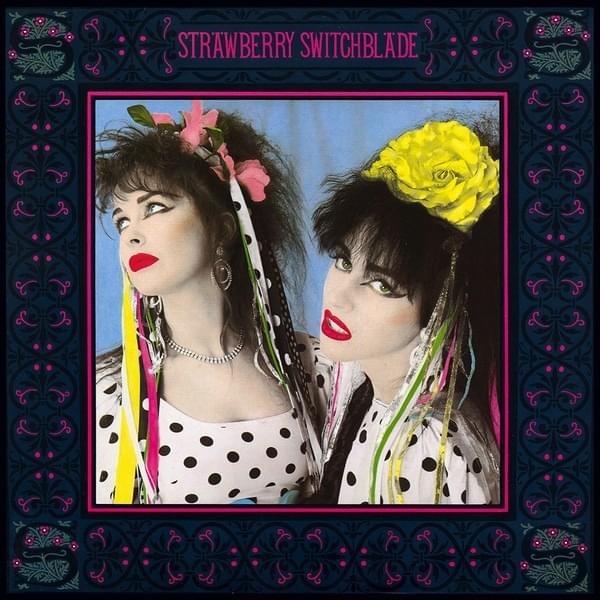
 View Artist