Song Meaning
The lyrics paint a picture of a desperate, almost frantic, urge to escape a pervasive and inescapable pain. The opening lines, "Run the other way / Wipe your tears away," immediately establish a tone of urgent, yet futile, advice. It suggests a desire to outrun suffering, but the stark declaration, "The pain is here to stay," undercuts any hope of true relief. The repetition of "There's nothing more to say" amplifies a sense of resignation and finality, as if all avenues for communication or resolution have been exhausted.
The central tension lies in the conflicting impulses of escape and remembrance. The repeated command to "Run away" is immediately followed by the solemn vow, "I will remember you / I will remember 'til I die." This creates a poignant paradox: the act of fleeing is coupled with an unbreakable commitment to memory. It’s as if the act of running away is precisely what solidifies the memory of what is being left behind, making the departure itself an act of preservation.
The imagery shifts dramatically in the second half, moving from the external act of running to an internal, suffocating experience. Phrases like "Drowning in the sky" and "We're drowning in the pain" evoke a sense of overwhelming, disorienting despair that offers no solid ground. The comparison to "rats who left the trap" is particularly striking, suggesting a desperate escape that might lead to an even worse, or at least equally bleak, fate. The question, "Was it just a game?" introduces a layer of existential doubt, questioning the very nature of the struggle and the perceived reality of the suffering.
Ultimately, these lyrics resonate because they articulate a profound human experience: the feeling of being trapped by circumstances and emotions that seem beyond control. The stark, almost brutal, honesty about the persistence of pain, combined with the haunting promise of remembrance even in flight, captures the complex emotional aftermath of trying to escape an unbearable reality. The writing’s power comes from its directness and its ability to evoke a sense of inescapable emotional weight through simple, yet potent, phrases.
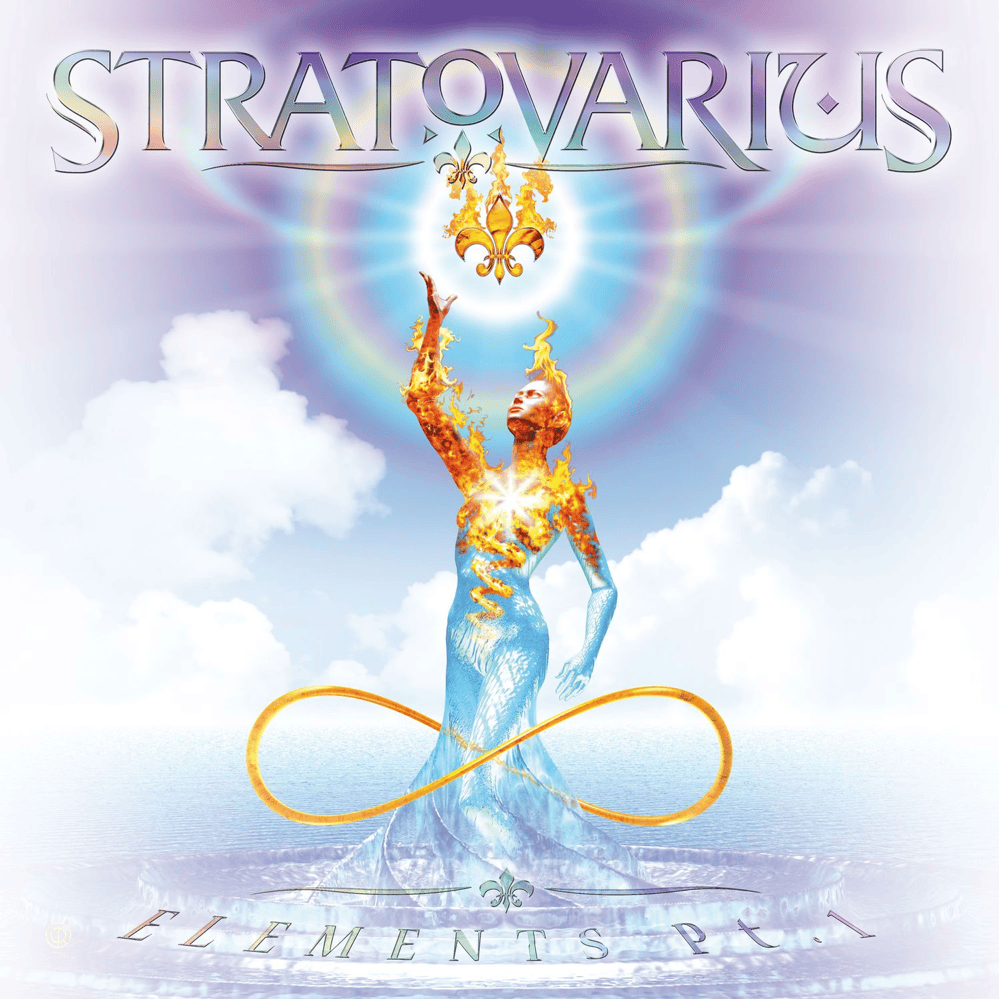
 View Artist