Song Meaning
The lyrics paint a stark, almost apocalyptic picture, driven by a relentless, almost desperate invocation. The opening lines immediately establish a sense of foreboding, with "Young machines" and "machines, they burn for war." This imagery suggests a world where even the new, the "young," are weaponized or inherently destructive. The repeated, almost chanted, plea, "Bring on the young, my god," feels less like an invitation and more like a grim resignation, a call for inevitable conflict or suffering.
The central tension lies in the juxtaposition of "young" and "dumb" against the backdrop of war and destruction. The narrator seems to be calling for the very things that will be consumed by the "machines" and the "burn." There's a chilling cyclicality suggested, where youth and innocence are not protected but are instead the very fuel for the conflict. The repetition of "Bring on the young" transforms from a command to a lament, highlighting a profound sense of helplessness in the face of overwhelming forces.
The most striking element is the escalating intensity of the refrains. The initial calls for "the young" devolve into demands for "pain," "burn," "hate," and finally, a raw, guttural "Hate! Hate! Hate!" This sonic and lyrical descent mirrors the destructive trajectory the lyrics seem to anticipate. The visceral verbs "Burn! Boil!" further amplify this sense of uncontrollable, consuming rage and destruction, leaving the listener with a feeling of raw, unadulterated chaos.
This piece achieves its power through sheer, unyielding repetition and a stark, unadorned vocabulary. It doesn't offer comfort or resolution; instead, it forces the listener to confront a bleak vision of inevitable conflict and the consumption of innocence. The lack of narrative detail makes the emotional impact universal, focusing entirely on the raw, primal forces at play and the desperate, almost nihilistic, acceptance of what is to come.
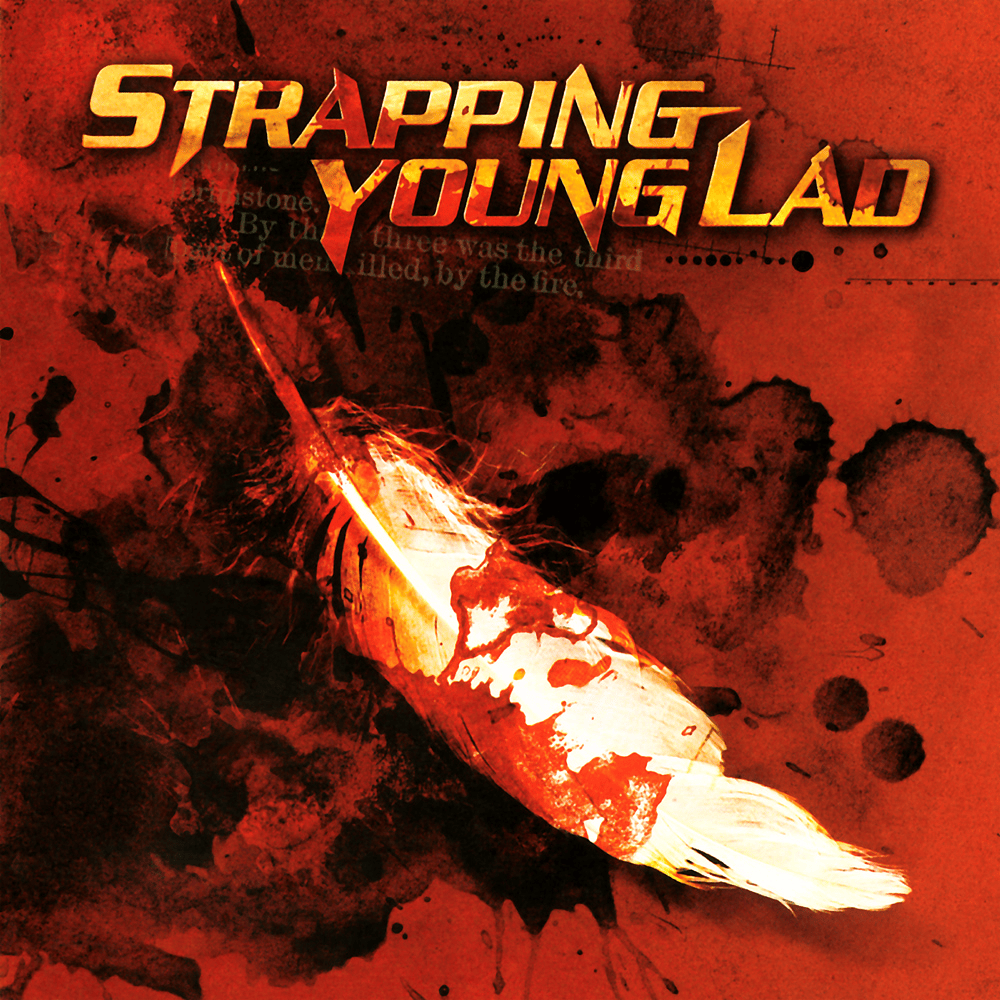
 View Artist