Song Meaning
The lyrics paint a stark picture of cosmic desolation and personal weariness. A journey to an "ice moon" where "our fathers' live" promises "rest." Yet, a deep regret over "wasted hours" haunts the speaker. This is a narrative of seeking ultimate escape and peace.
The core tension lies between a past defined by aimless wandering and a future desperately sought in isolation. The speaker's life has been spent in "wasted hours," a heavy burden that drives the desire to flee. This longing for severance is palpable, a yearning to outrun the shadow of regret, even as ominous "storm clouds" gather.
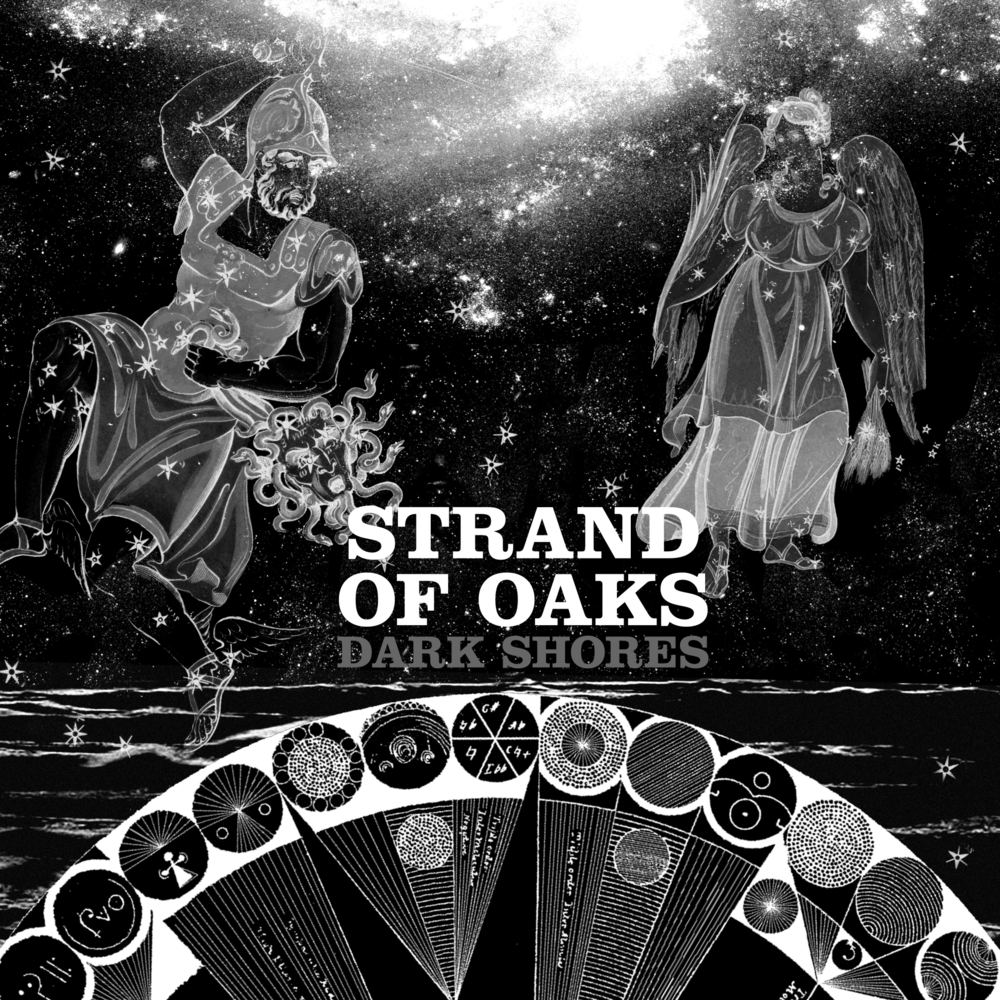
The striking imagery of "dark shores" and an "ice moon" creates a powerful sense of remote, almost mythical refuge. These desolate landscapes aren't just physical locations; they embody the speaker's internal state, a place so far removed that "past lives won't bother anymore." The choice of such extreme, cold environments underscores the profound need for absolute detachment from what came before.
These lyrics are effective because they blend this grand, almost sci-fi scale with intensely personal anguish. The repeated phrase "wandering in the wasted hours" anchors the cosmic escape in human experience, making the declaration "I'll build a house on these dark shores" feel like a monumental act of defiance against a haunting past. It's a powerful statement of self-preservation, finding solace in extreme solitude where "they won't find me here."
 View Artist