Song Meaning
The narrator is left behind as a lover departs, comparing their departure to the untamable 'wild, wild wind.' The scene is set with the fading light of day and the artificial glow of the city, a 'gay white way' that now feels hollow because the object of affection is leaving. This transition from day to night mirrors the shift from companionship to loneliness, emphasizing the finality of the departure.
The central tension lies in the narrator's conflicting feelings of loss and a strange, almost resigned acceptance. They acknowledge the lover will 'never be mine' and that 'to you the wild wind will always be home,' suggesting a fundamental incompatibility or a restless spirit that cannot be contained. Yet, there's also a lingering appreciation for the past love, a 'taste of your love my lips once had,' indicating the profound impact of the relationship despite its transient nature.
The recurring image of the 'wild, wild wind' is the most potent craft element, functioning as a metaphor for the lover's elusive and uncontrollable nature. It's not just an external force but also an internal one, as the narrator wishes they could 'leave you and gone like the wild, wild wind' themselves. This repetition underscores the inescapable pull of this freedom and the narrator's own desire for escape, even as they mourn the loss.
Ultimately, these lyrics resonate because they capture the bittersweet ache of loving someone you can't hold onto. The writing skillfully links the external environment – the setting sun, the city lights – to the narrator's internal state of loneliness and longing. The final lines, 'I know that I'll never be the same again since my lips were kissed by the wild, wild wind,' powerfully convey how even a fleeting, uncontrollable connection can leave an indelible mark.
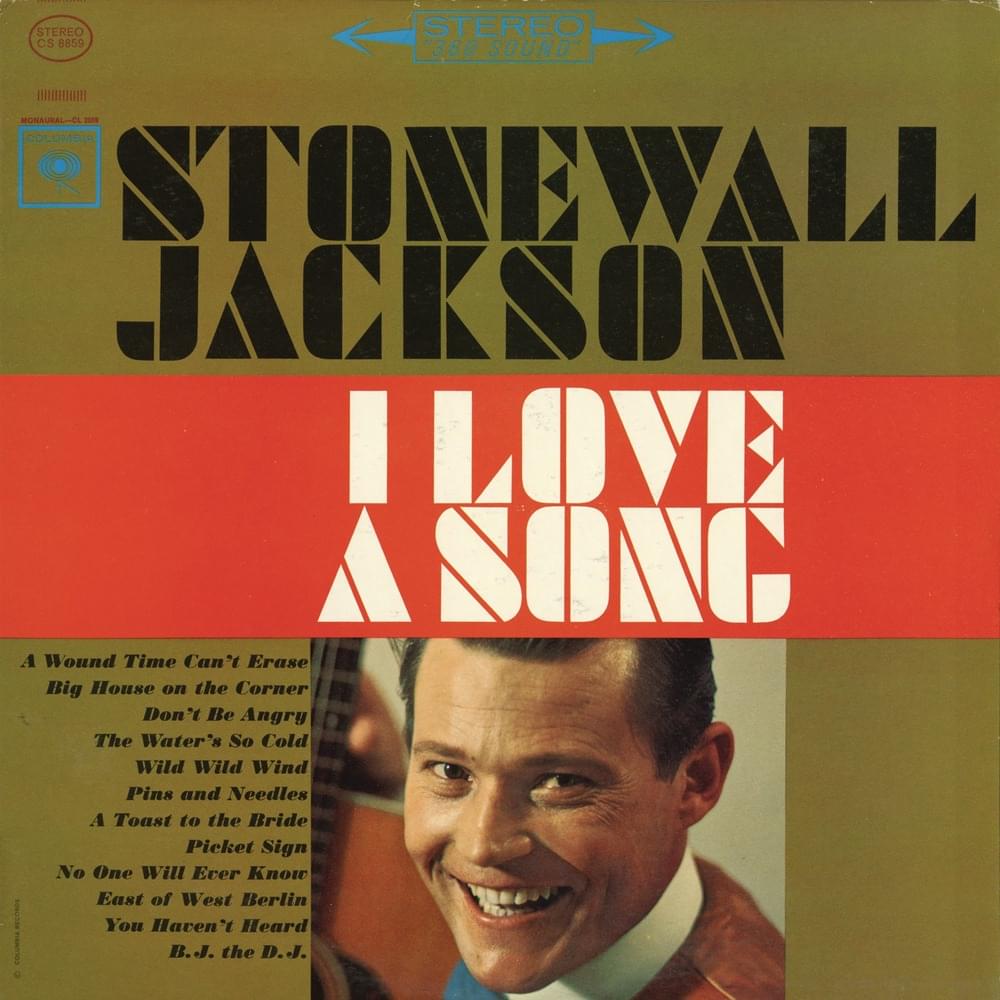
 View Artist