Song Meaning
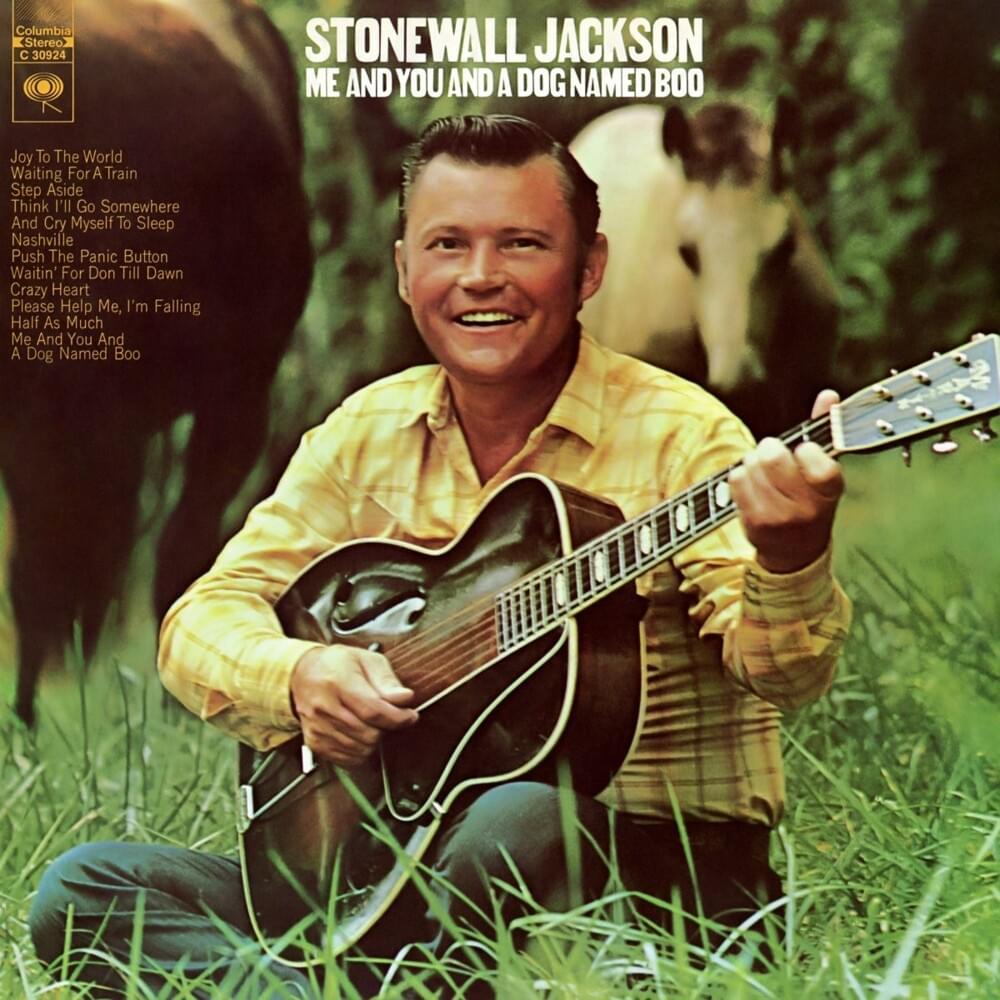
Stonewall Jackson's "Think I'll Go Somewhere And Cry Myself To Sleep" isn't just a lament; it's a raw exposure of vulnerability, dissecting the peculiar blend of grief and personal inadequacy that often accompanies profound loss. The surface narrative is simple: a man reeling from a final goodbye, the sweetness of the last kiss only intensifying the pain of permanent separation. But the repetition of the title phrase acts less as a statement of intent and more as a mantra, a desperate attempt to self-soothe in the face of overwhelming emotion. It's a primal urge to retreat, to find a private space where the dam can break without judgment. The location is irrelevant; the act of solitary, unrestrained weeping is the core need.
The seemingly contradictory lines, "Not because I'm sad but 'cause I'm weak," are the song's psychological crux. It's an admission that the singer's sorrow isn't purely about the absence of his lover; it's intertwined with a perceived inability to cope with solitude, to construct a fulfilling existence independently. He's not just mourning the relationship; he's mourning his own perceived lack of resilience. This elevates the song beyond a standard heartbreak ballad into a study of codependency and the fragile male ego. The vulnerability is striking, particularly within the context of traditional country music, which often favors stoicism and self-reliance.
The third verse heightens the emotional tension. The woman's parting words and caress serve as a cruel reminder of what's being lost. The declaration of continued love, rather than offering comfort, pushes the singer to the brink. It underscores the finality of the situation, the agonizing awareness that affection persists even as the relationship ends. The repetition of "Think I'll go somewhere and cry myself to sleep" after this verse emphasizes the singer's descent into despair, solidifying the song's exploration of grief, weakness, and the crushing weight of lost love. Stonewall Jackson delivers a stark portrait of a man undone, stripped bare by both heartbreak and self-doubt, in this exploration of the song's meaning.
 View Artist