Song Meaning
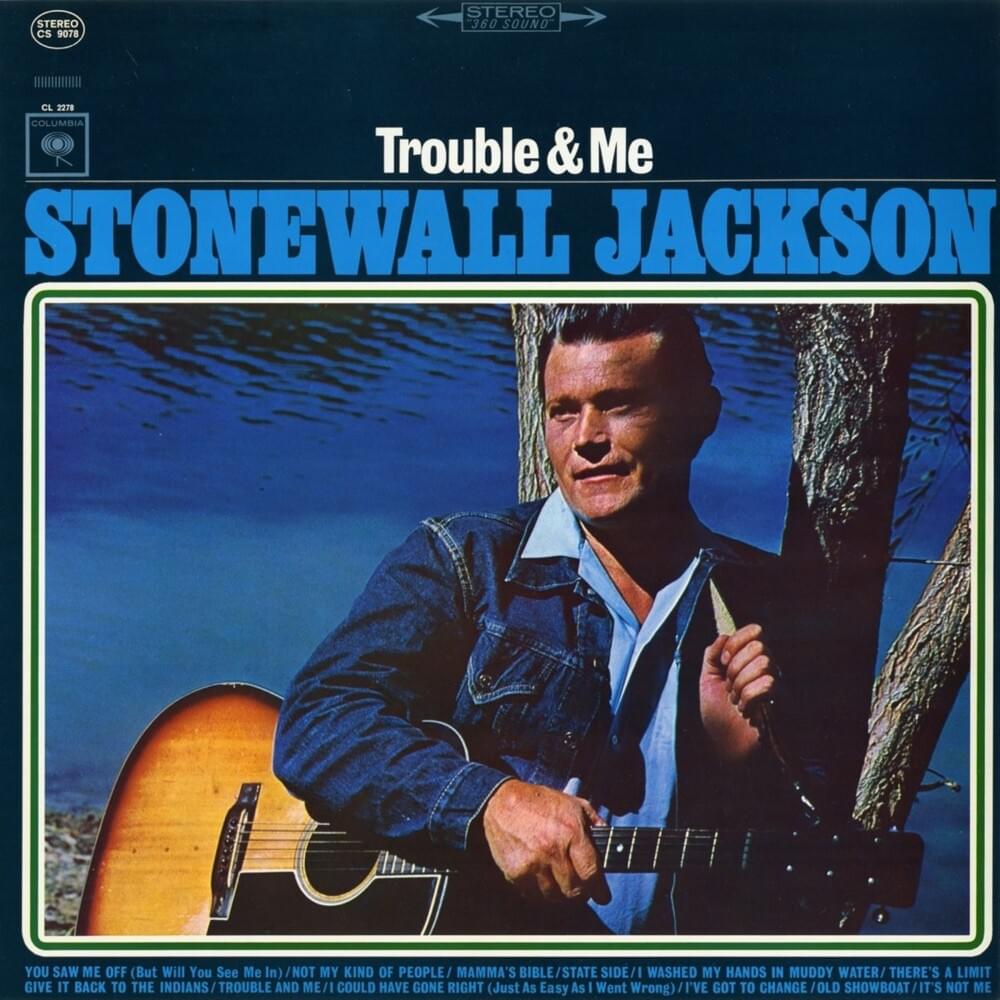
Stonewall Jackson's "There's A Limit" isn't just a country lament; it's a raw, psychologically astute portrait of grief and the disintegration of self. The song's power lies in its stark simplicity, avoiding elaborate metaphors in favor of direct emotional confession. Jackson lays bare the interior collapse of a man grappling with the absence of a lover, a pain so profound it threatens his sanity. The opening lines, haunted by reaching hands in troubled sleep, immediately establish the pervasive nature of his loss – it seeps into his subconscious, blurring the lines between dreams and waking torment. His cries in the darkness aren't just expressions of sadness; they're desperate pleas against an encroaching void.
The lyrics deftly explore the interplay between masculine identity and vulnerability. The singer acknowledges a past pride and self-proclaimed strength, now shattered by the departure of his beloved. This isn't a simple heartbreak; it's an existential crisis. The line "my strength and pride walked out the door with you" speaks volumes about the codependency and the fragile nature of ego when built on external validation. He's not just missing a partner; he's lost a crucial part of himself, leaving him adrift in a sea of "awful aching hurt." The thought of his former lover with someone new acts as a particularly potent form of psychological torture, exacerbating his feelings of worthlessness and abandonment.
The repeated assertion, "There's a limit and I've almost reached mine," serves as the song's chilling core. It's not a melodramatic threat of self-harm, but a weary recognition of the human breaking point. The reference to "breakin' forty's gettin' closer" adds another layer of vulnerability; it's the lament of a man facing not only heartbreak, but also the anxieties of aging and the awareness of his own mortality. "There's A Limit" resonates because it taps into a universal fear: the fear of being broken beyond repair, of reaching the edge of our capacity to endure suffering. It's a stark reminder that even the strongest among us have a breaking point, and that love, when lost, can trigger a profound and devastating unraveling of the self.
 View Artist