Song Meaning
Stonewall Jackson's "If This House Could Talk" is a masterclass in country music heartbreak, a poignant exploration of lost love and shattered dreams told through the anthropomorphic lens of a house burdened with memory. The song's central conceit – a house capable of speech – isn't just a gimmick; it's a powerful metaphor for the lingering presence of the past and the way physical spaces can become vessels for emotional residue. The narrator returns to his former home, now sold and derelict, not just to finalize the paperwork, but to confront the ghosts of what might have been. The image of the "unkept lawn" and the dead rose bush speaks volumes about the neglect and decay that mirror the demise of the relationship. This is not merely a story of romantic failure; it's an elegy for lost potential, for the "almost" happy home that never materialized. The house, in its imagined narrative, would "brag about its days of glory," highlighting the painful contrast between past promise and present reality.
Jackson cleverly uses the physical deterioration of the house as a symbolic representation of the narrator's inner turmoil. The "weeds" that now grow "where flowers used to be" are a stark visual metaphor for the bitterness and regret that have overtaken the narrator's heart. The act of looking through the "picture window" becomes a form of painful self-reflection, a confrontation with the idealized memories that haunt him. He "almost heard those tender words of love," emphasizing the fragile and ephemeral nature of happiness. The song's power lies in its ability to evoke a sense of profound loss and the lingering ache of unfulfilled dreams. It is a reminder that even the most solid structures, like houses and relationships, can crumble under the weight of time and heartbreak.
The brilliance of "If This House Could Talk" is its understated delivery. Jackson doesn't resort to histrionics or overwrought emotion. Instead, he allows the simple, direct lyrics and the evocative imagery to carry the emotional weight. The song avoids sentimentality by grounding itself in the tangible details of the physical space. The house isn't just a backdrop; it's a character in its own right, a silent witness to the rise and fall of a love affair. The "song meaning" transcends the specific narrative; it speaks to the universal human experience of loss, regret, and the enduring power of memory. It is a potent reminder that the past is never truly gone, and that the places we inhabit can hold within them the echoes of our deepest joys and sorrows.
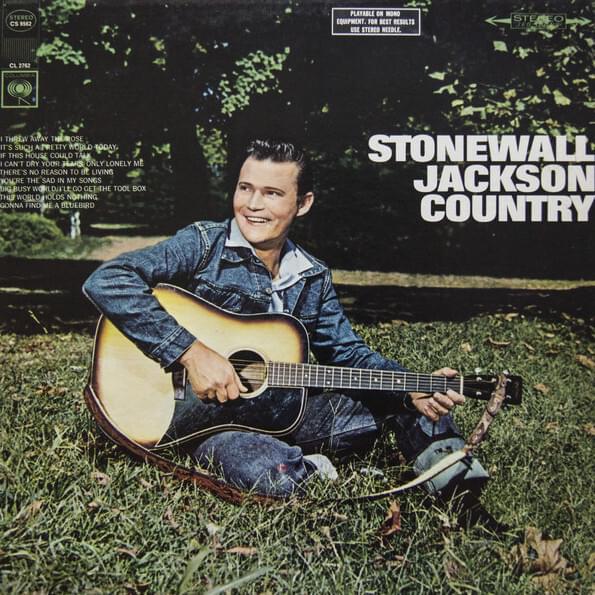
 View Artist